
Educational activities
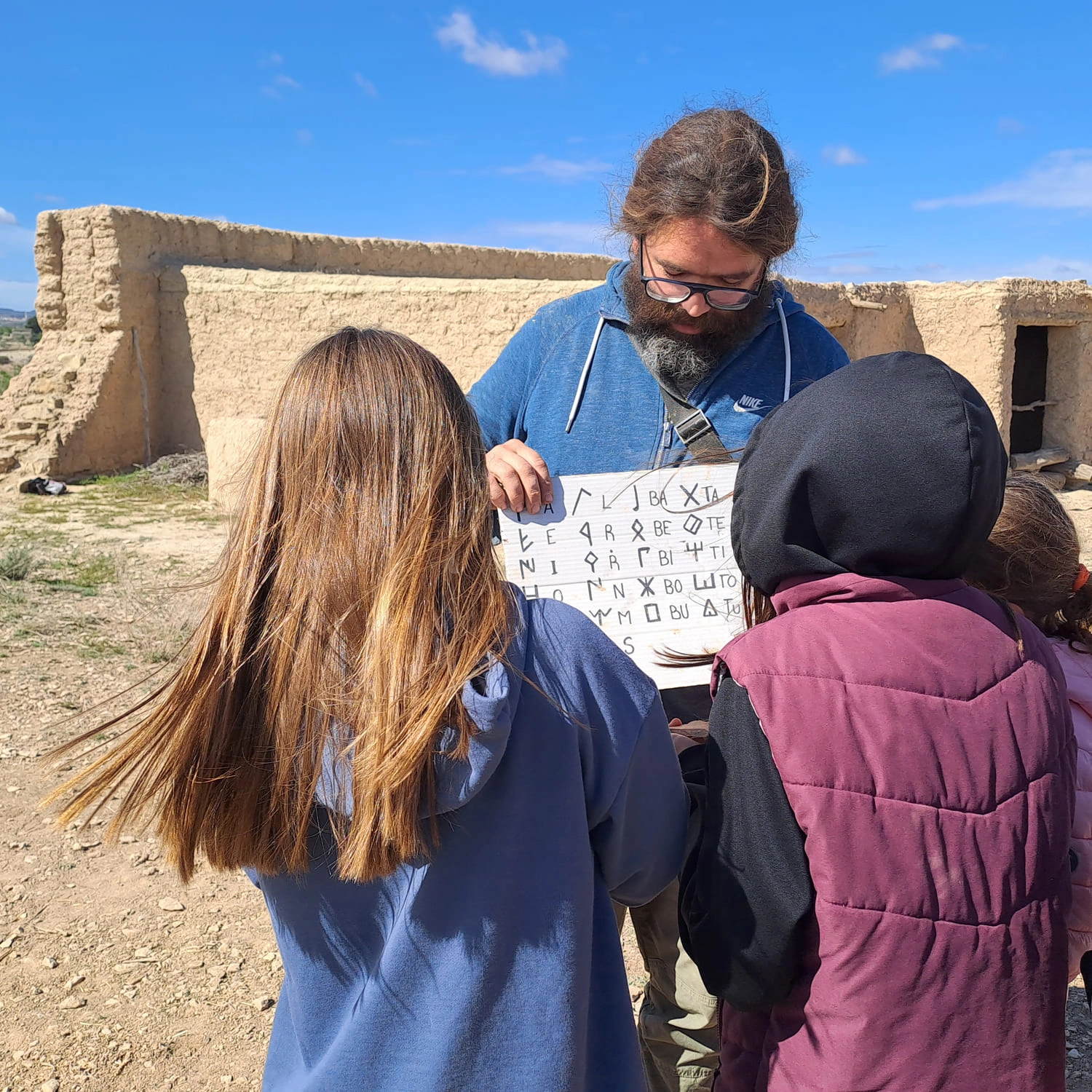
For years, educational reform and new curricula have introduced not only conceptual and attitudinal learning, but also procedural content.
Our experimental archaeology program can bridge the gap toward formal compulsory and post-compulsory education through experiences like the CEP in Verdú, bringing together formal learning and innovative archaeological outreach for the general public.
Although this discipline was not originally conceived for entertainment, experimental archaeology has qualities that make it a powerful outreach tool, capable of making complex scientific knowledge more accessible.
The classification into conceptual, procedural, and attitudinal components—on which teaching has been based since the 1980s—is firmly established.
The contribution of archaeology to schools lies in connecting these procedures with the research methods used by archaeologists and, by extension, by historians.

What no one questions in the natural sciences—the laboratory, the scientific method, analysis, and critical reasoning—must also be applied to the social sciences.
Experimental archaeology, in a broad sense, is now entering university curricula and has wide applications for non-specialized audiences through workshops, laboratories, reconstruction groups, archaeological sites, and interpretation centres.
In many of these offerings, the public becomes the protagonist of the experiment: they formulate hypotheses, observe, analyze, handle tools, and reproduce processes, learning from their own mistakes and successes.
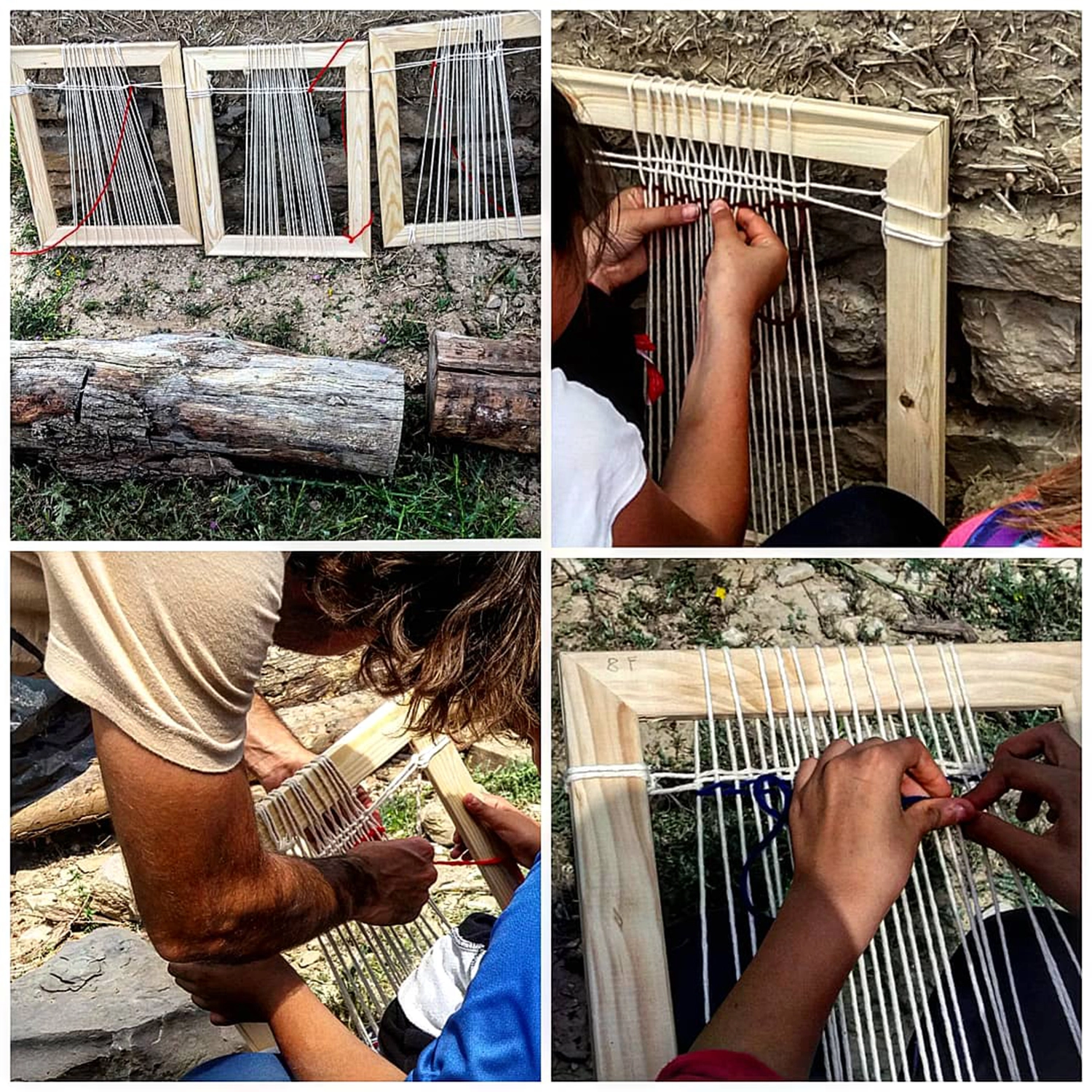
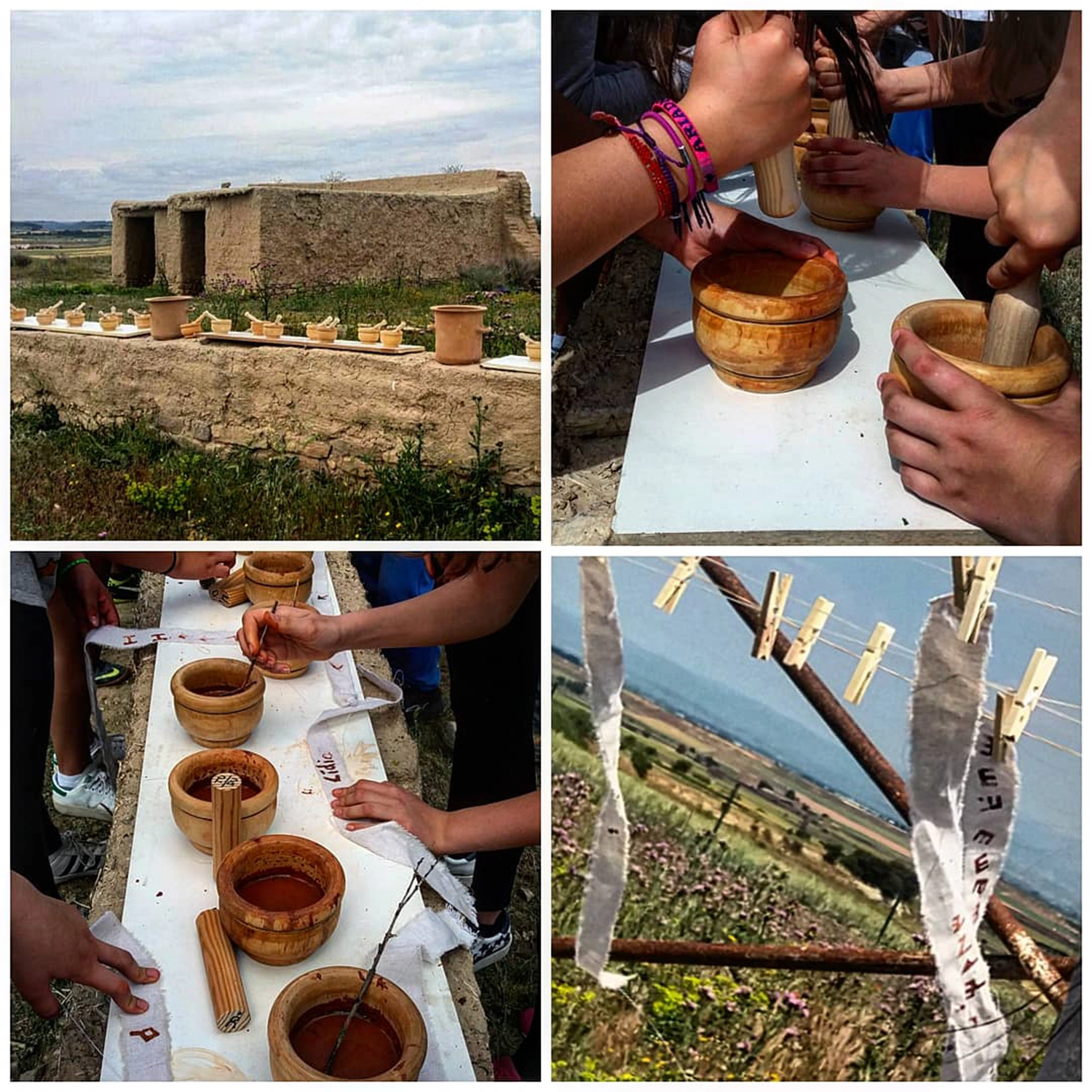
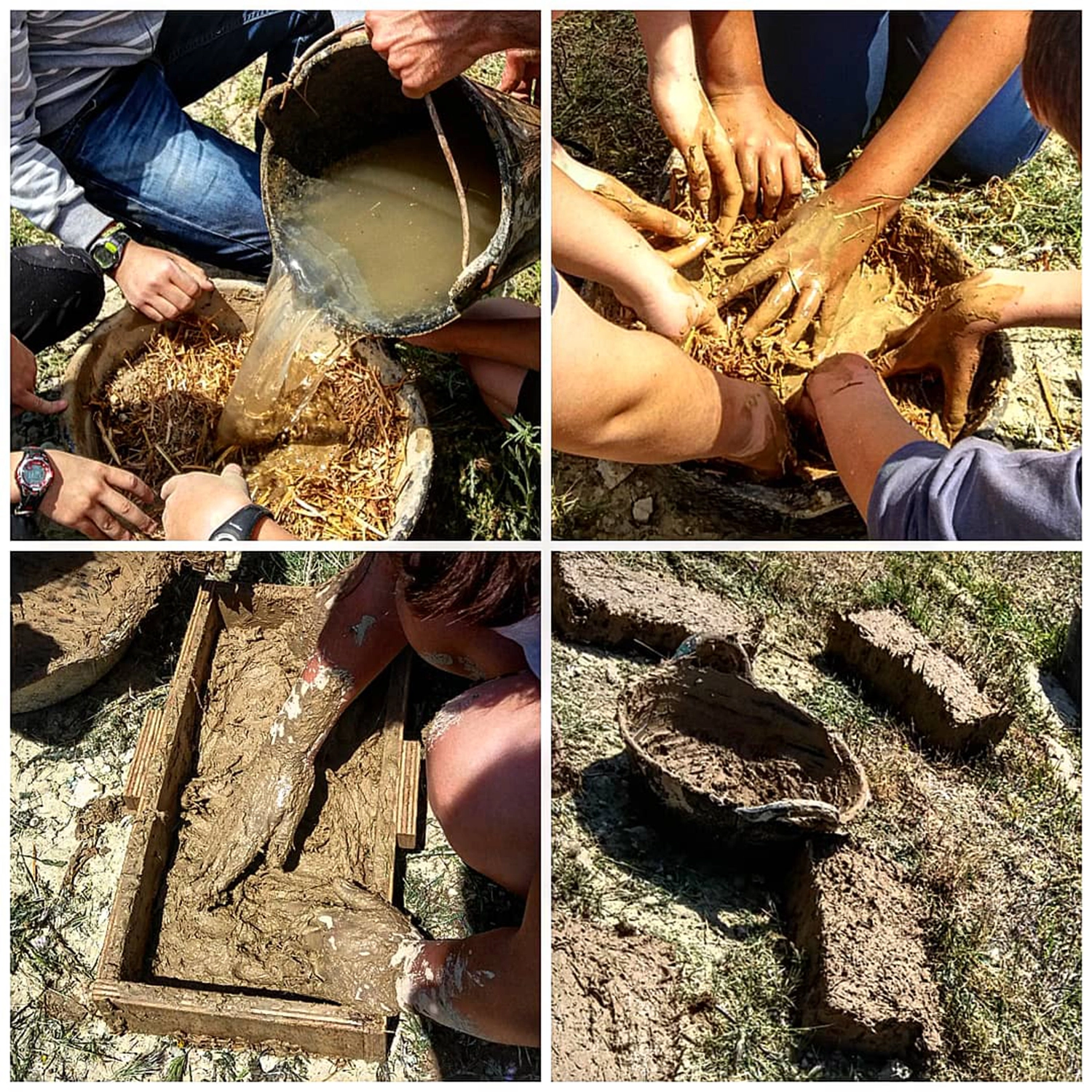
This is why many archaeological sites today include activities of this kind, bringing archaeology closer to young audiences and engaging them through hands-on excitement. Europe has a long tradition in this field, with notable examples such as the Lejre Experimental Centre (Denmark), Butser Ancient Farm, the Celtic Village of Cornwall (England), and the Archéodrome of Burgundy (France).
The field of archaeology is particularly well-suited for these activities because it has its own specific, clearly defined working method. Its focus on procedures makes it ideal for schools. The results achieved through experimental archaeology in education are varied, for example:
- Development of analytical, critical, and reflective thinking through the hypothetical-deductive method characteristic of archaeological research.
- Problem-solving skills applied by students during experimental work.
- Teamwork aimed at achieving shared goals.
- Self-motivation and the development of individual strategies when confronting the challenges of experimentation.
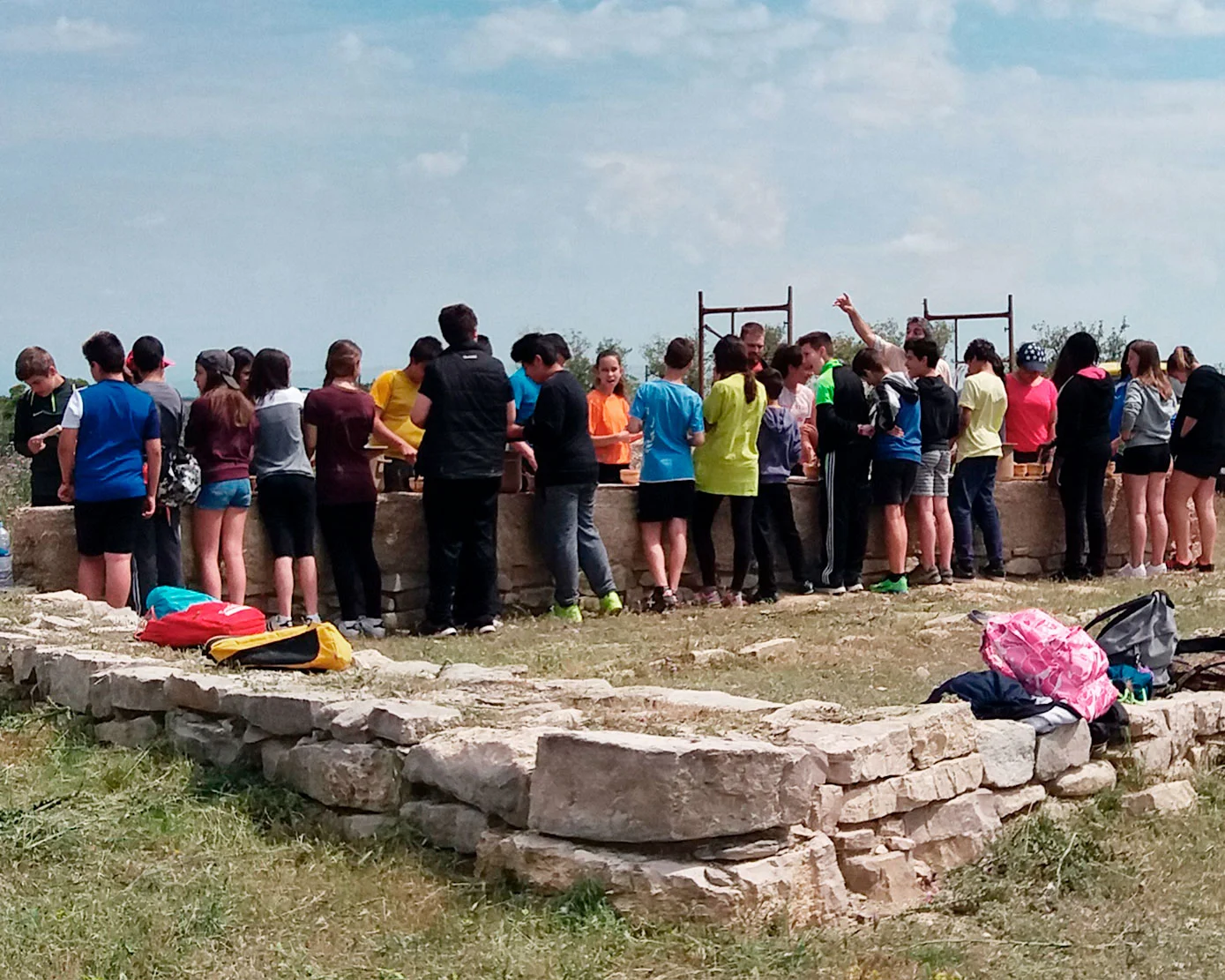
Visits for school groups
Designed for Primary Schools (from Early Childhood through Upper Cycles), Secondary Schools (ESO), Baccalaureate programs, after-school clubs (esplais), summer camps, and other groups within formal education.
The visit for school groups consists, broadly speaking, of two main activities:
– Guided tour: The visit is complemented with various props, including archaeological replicas from our excavation contexts.
– Hands-on workshops: Practical sessions in writing, weaving, and mudbrick making.

Contact
For more information about our activities or to make a booking, email us at in**@****************io.com
If you prefer, you can also use the contact form:
Basic information on data protection:
Data Controller: Associació Estinclellsdifusió
Purpose: To answer your questions and inform you about our products and services.
Legal basis: Consent of the data subject by checking the box "I have read and accepted the Privacy Policy"
Recipients: The data provided through the form will be stored on this website via the Flamingo plugin, which also saves the IP address and Web browser used to submit the form. The website www.estinclellsdifusio.com is hosted by RAIOLA HOSTINGS. To read their Privacy Policy, click here.
Rights: You have the right to access, rectify, and delete your collected data. Contact us using this form, letting us know which right you wish to exercise, and we will process it as soon as possible.
To learn more about us, follow us on social media: