
Research

Archaeology
Our excavation at Els Estinclells is part of a comprehensive research project spanning the Urgell region and its surroundings: “Characteristics and Evolution of Settlement in the Iberian (Eastern Ilergetia) and Roman Periods in Urgell”.
The project was born from the collaboration between the Centre d’Estudis Lacetans and the Museu Comarcal de l’Urgell. This research stems from the desire to expand knowledge and develop new interpretative approaches to the evolution and characteristics of the sociocultural structures and political organization of the protohistoric communities of the north-eastern Iberian Peninsula.
The study area forms part of the territory traditionally attributed to the Ilergetian people. In this context, it is essential to consider the results of the research programme of the University of Lleida (UdL), which has been running for over 25 years and focuses on the study of the Els Vilars site (Arbeca).
However, the evolution of this protohistoric settlement came to a halt in the mid-4th century BC. In this regard, the UdL project is providing essential information for characterizing the formative stage of Ilergetian society, from the beginning of the Iron Age to the end of the Early Iberian period.
One of the research team’s goals is to fill this gap in the study of Iberian archaeology in this sector of the Ilergetian world, bounded by the valleys of the Corb, Ondara and Sió rivers.
In contrast, the Middle Iberian period—the 4th century and, above all, the 3rd century BC—still presents significant research gaps in the Ilergetian area.
This is precisely the main objective of our project. To address it, we have developed a programme of action based on the extensive excavation of the settlements of this advanced Iberian chronology at Els Estinclells (Verdú) and the Tossal de la Pleta (Belianes).
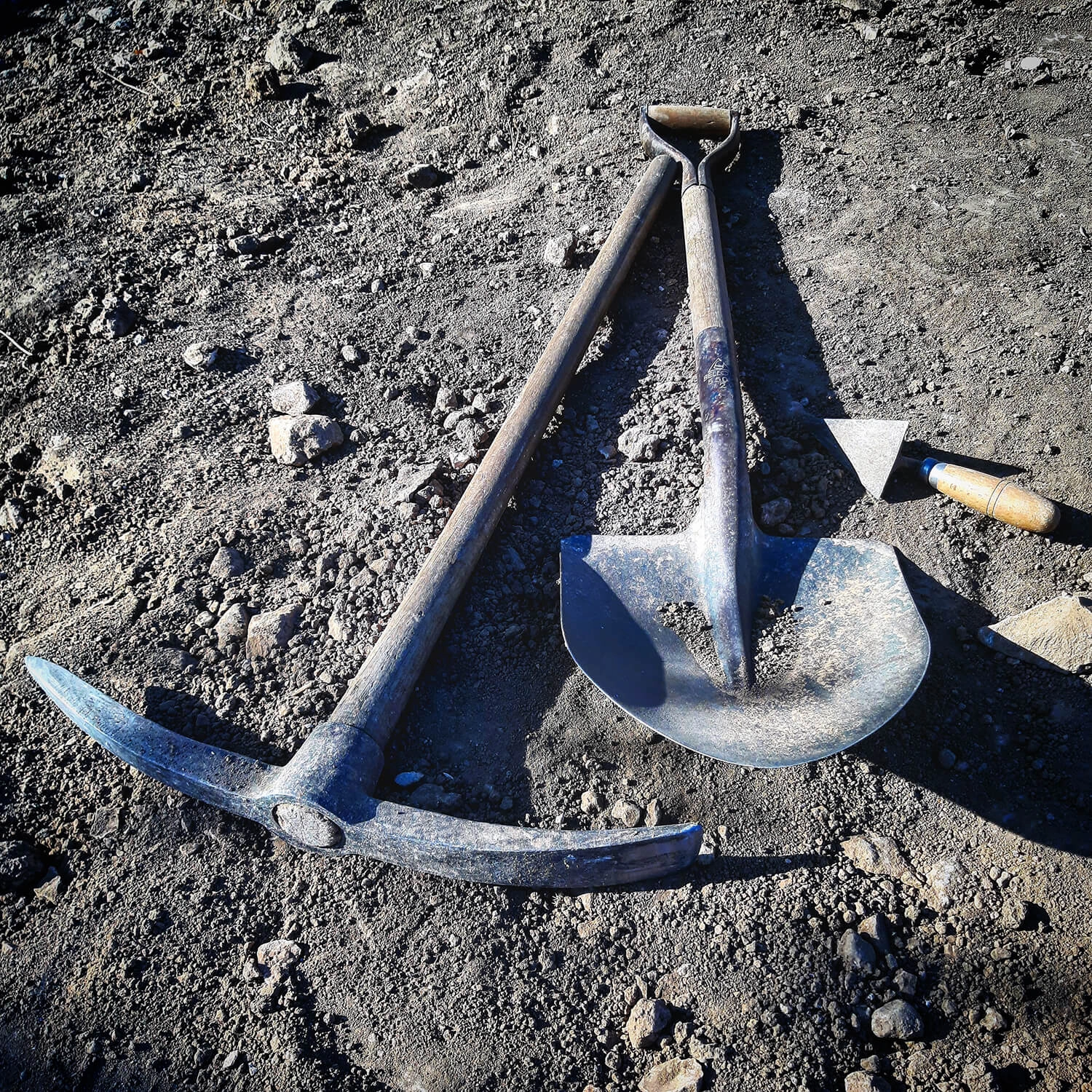
In recent years, since 2015, the excavation of the settlement extending at the foot of the Els Estinclells hill has extended interest in the evolution of ancient settlement in the area, with equal intensity, to the Roman period — specifically to a chronological span from the 2nd century BC to the 4th/5th century AD (the Roman Republican phase and the Early and Late Imperial phases). This case study makes it possible to address the dissolution of the Iberian world, the implantation of new structures, the Roman administration, and the evolution throughout the Early and Late Imperial periods.
Geographically, the project focuses on the Urgell region, particularly the sector corresponding to the valleys of the Corb, Ondara and Sió rivers. These rivers rise in the Segarra region and disappear through evaporation at the entrance to the Urgell plain.
This territory has traditionally been studied as a unit owing to its geographical coherence. In 1976, the Verdú researcher Ramon Boleda compiled the findings of the territory — the same one we continue to study today — in an archaeological chart.
Research background
In the late 18th century, ecclesiastical circles in Urgell began to show great interest in the protection of archaeological and historical heritage.
The first known action was the transfer of the body of Santa Victoria, deposited at Sant Martí de Maldà in 1786. During the 19th century, the strong influence of German, French, Italian and English schools of study brought about a gradual shift within collecting towards the study of classical culture.
Against this backdrop, the first archaeological interventions began and new discoveries were made.
Among them, the discovery of the first Roman villa in the municipality of El Vilet stands out. Mn. Manuel Pallàs produced highly faithful drawings of the mosaics found there.
The archaeological research carried out from then on uncovered a large number of sites (Saula 1989, 1993 and 1994). These sites were made known through various channels, one of them being the poetic work of Mn. Miquel Piera (1904) in the Corb valley, especially in Vallfogona de Riucorb.
In the spring of 1915, the Institut d’Estudis Catalans conducted an extensive survey in search of Iberian-period settlements in the Pla d’Urgell and Segarra areas.
One of the first sites selected for archaeological intervention was the Tossal del Mor (Tàrrega).
The surveys found that this settlement stood out for the great abundance and dispersion of material remains on the slopes of the hill, which pointed to a possibly significant pre-Roman occupation (Colomines, 1915). The work of J. Colomines (1915), R. Bosch i Gimpera (1919) and A. Duran i Sanpere (1970) marked the first steps towards an archaeological study of the Corb valley and led to the identification of sites such as Vilamanyanor, Castellsalvà, Maldanell, Fogonussa and Estinclells.
These sites were recorded in the archaeological chart of the area (Colomines i Duran, 1920).
Another notable figure among the early researchers was Mn. Sanç Capdevila (1925), whose work was influenced by archival studies and encouraged the proliferation of monographs and historical works. After the Civil War, the Institut d’Estudis Ilerdencs took over archaeological research in the Lleida area.
News of the locations of archaeological sites in the Urgell region was published in the journal Ilerda and in Rodrigo Pita Mercé’s “Datos arqueológicos provinciales”.
In the early 1950s, Joan Tous i Sanabra devoted himself to the study of prehistory and ancient history in the region and joined the local excavations commission (Tous i Sanabra, 1973). This period was also marked by important relations with the University of Barcelona and its Institute of Archaeology and Prehistory, especially with Dr. Joan Maluquer (Maluquer et ali, 1971) (Maluquer, 1973). From the 1960s onwards, the work of Ramon Boleda stands out.
This local researcher identified new settlements within the municipality of Verdú, in the Urgell region and its surroundings (Boleda i Cases 1976, 1994). Tous i Sanabra and Ramon Boleda collaborated on the excavation of the Pla de les Tenalles de la Mora and carried out intensive survey work around Tàrrega. A small museum was created on the ground floor of Tàrrega Town Hall, with Joan Tous appointed as its director.
One of his tasks was to set up a survey team linked to the museum, which carried out test excavations at the Pla de les Tenalles de la Mora, the Tossal de la Rosa in Claravalls, the Tossal del Mor in Tàrrega and the Roman necropolis of El Pedregal, among others (Pérez, 1990).
The first structures of Els Estinclells — corresponding to the Roman occupation — were discovered during the construction of the road from Tàrrega to Sant Martí de Maldà. The site was severely affected by the construction works; nevertheless, Mn. Ramon Berenguer (parish priest of Verdú) collected data throughout the process.
In the 1970s, Ramon Boleda and Guiu Sanfeliu carried out archaeological test excavations at the top of the Els Estinclells hill and located the first Iberian remains.
Archaeological work in the area became increasingly frequent and thorough. In the 1970s and 1980s, initiatives such as the Assemblees Intercomarcals d’Estudiosos and associations such as the Grup de Recerques de les Terres de Ponent deserve special mention.
Joan Duch led an exhaustive survey of the Corb valley through the Misión Rescate groups, which originated at the school of Guimerà (Duch i Mas, 1979 and 1986).
The results of this work were presented in his degree thesis “Contribució a l’arqueologia de la vall del Corb, Segarra i Urgell” (Duch 1980, 1992).
Subsequent work was promoted by the members of the Centre d’Estudis Lacetans (CEL) in 2000.
The interventions were coordinated with the relevant administrations and the Museu Comarcal de l’Urgell in Tàrrega. In 2002, the research project “Economia i evolució del poblament ibèric a les valls del riu Corb, Ondara i Sió” was launched. This project was the starting point for the interventions that continue to this day.
It comprises excavation through annually scheduled campaigns: from 2001 to 2014 at the Iberian settlement, and from 2015 onwards continuing with the Roman remains on the hillside.
The Iberian settlement
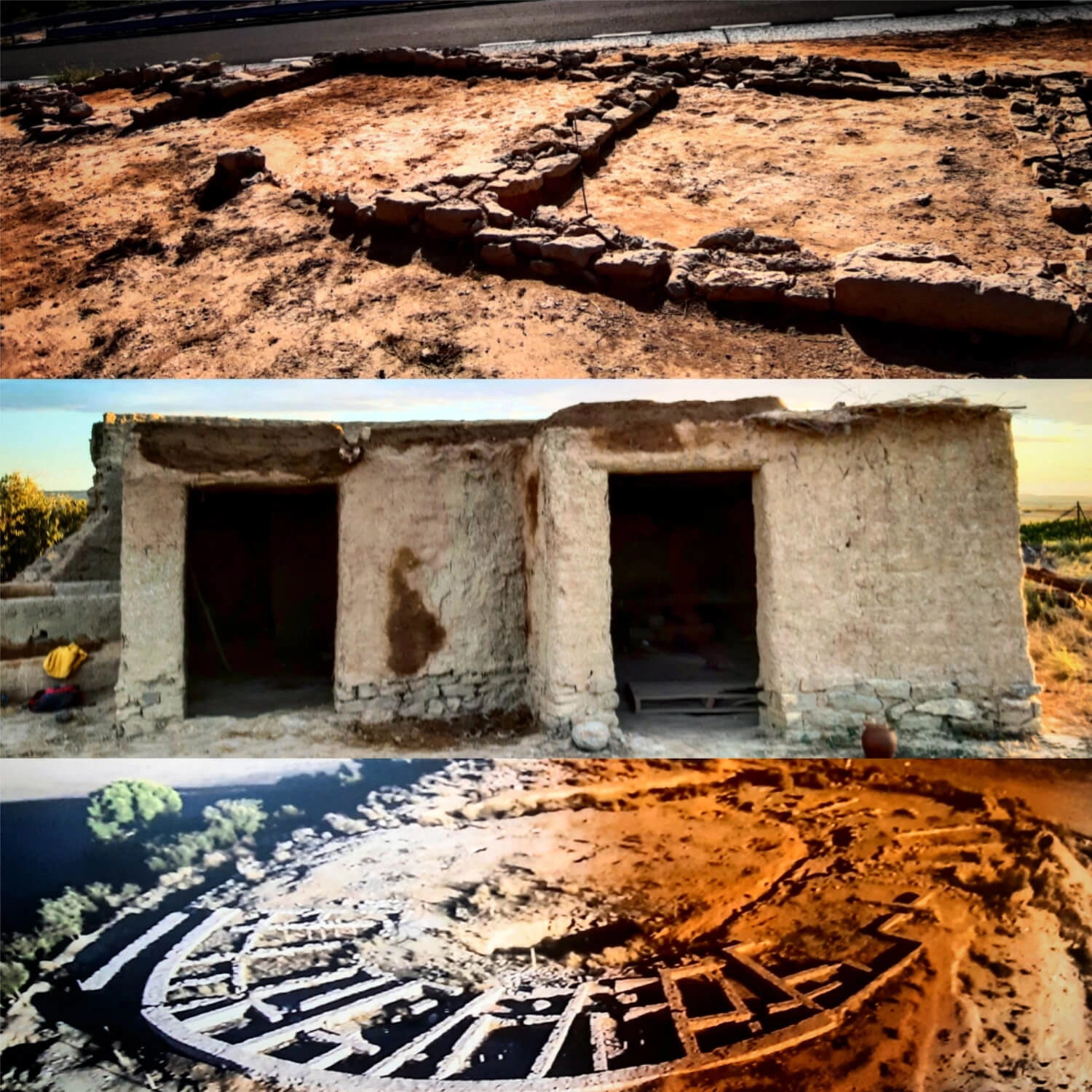
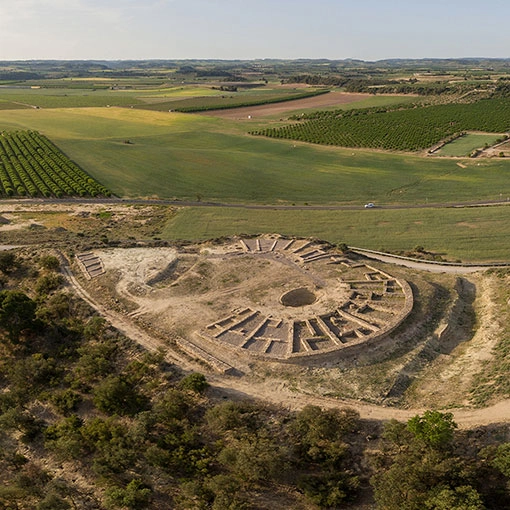
The Iberian settlement of Els Estinclells in Verdú (Urgell) is a 3rd-century BC Iberian site owned by the Verdú Town Council. It offers exceptional conditions for exhaustive study and for its adaptation for public visits.
The settlement is defined as a walled enclosure. Its perimeter wall follows the natural limits of the elevated end of the hill, adopting an irregular, roughly ovoid shape.
Inside, a single row of houses is documented, built against the enclosing wall and sharing party walls. This row of buildings is divided into two main sections around a central water cistern. In addition, there is a central area that was apparently free of construction. The Iberian settlement was protected by the perimeter wall and, in turn, by an external defensive ditch.
The Roman Mansio
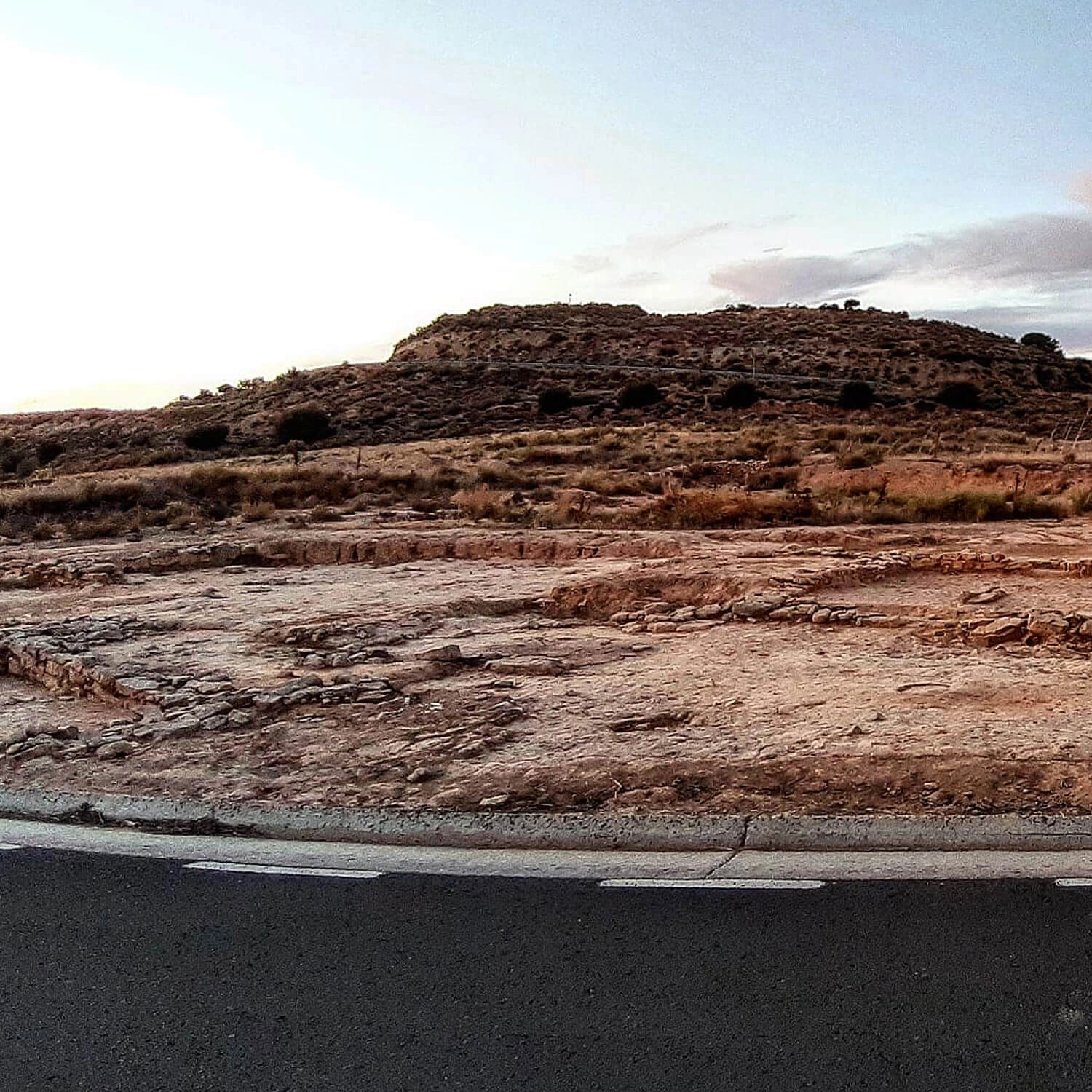
At the foot of the hill on which the Iberian settlement stands, a Roman settlement has been found and has been under continuous excavation since 2015. This occupation dates from the 1st to the 5th century AD.
Given the urban characteristics of the space, the scarcity of “luxury” materials and the high number of cooking ceramics found, it has been interpreted as a possible Mansio. A Mansio was something like a service area of its time: a stop along the road where travellers could rest, eat, or give their animals a break.
During an emergency intervention carried out by a company on the other side of the road, the possible route of the Roman road to which the mansio would have been linked was identified. There is a high probability that it was a connecting point between Iesso and Ilerda.
Field of Protohistory Experimentation (CEP)
The aim of the archaeologists leading the project is to consolidate a field of archaeological experimentation for scientific use and the development of research into protohistory, while also enabling its use for schools and public outreach.
To this end, the Camp d’Experimentació de la Protohistòria (CEP) is being created on the land adjacent to the Ilergetian Iberian site of Els Estinclells, owned by the Verdú Town Council (Urgell). The fact that this site has been almost completely excavated and is in the process of being musealized makes its promotion scientifically and socially essential.
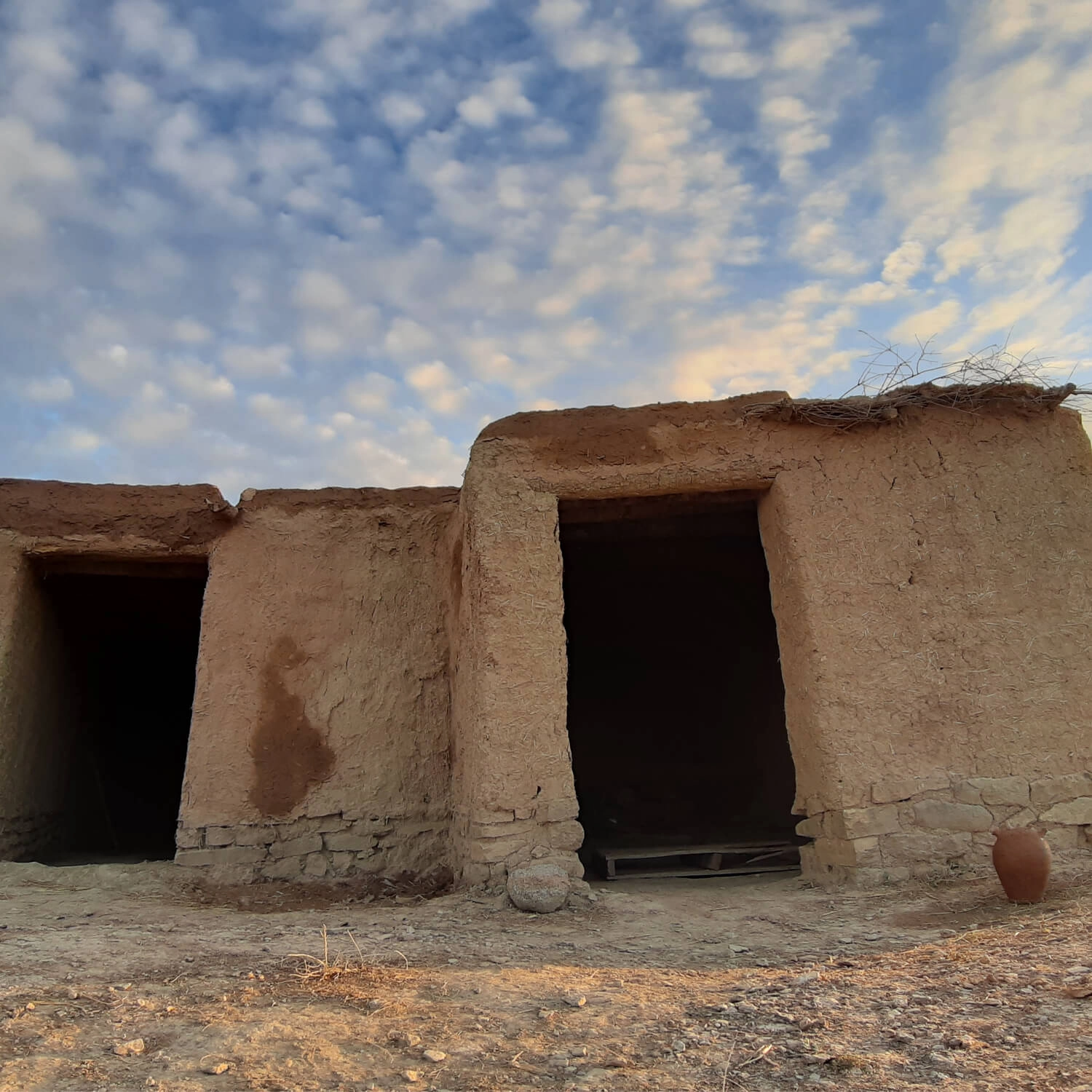
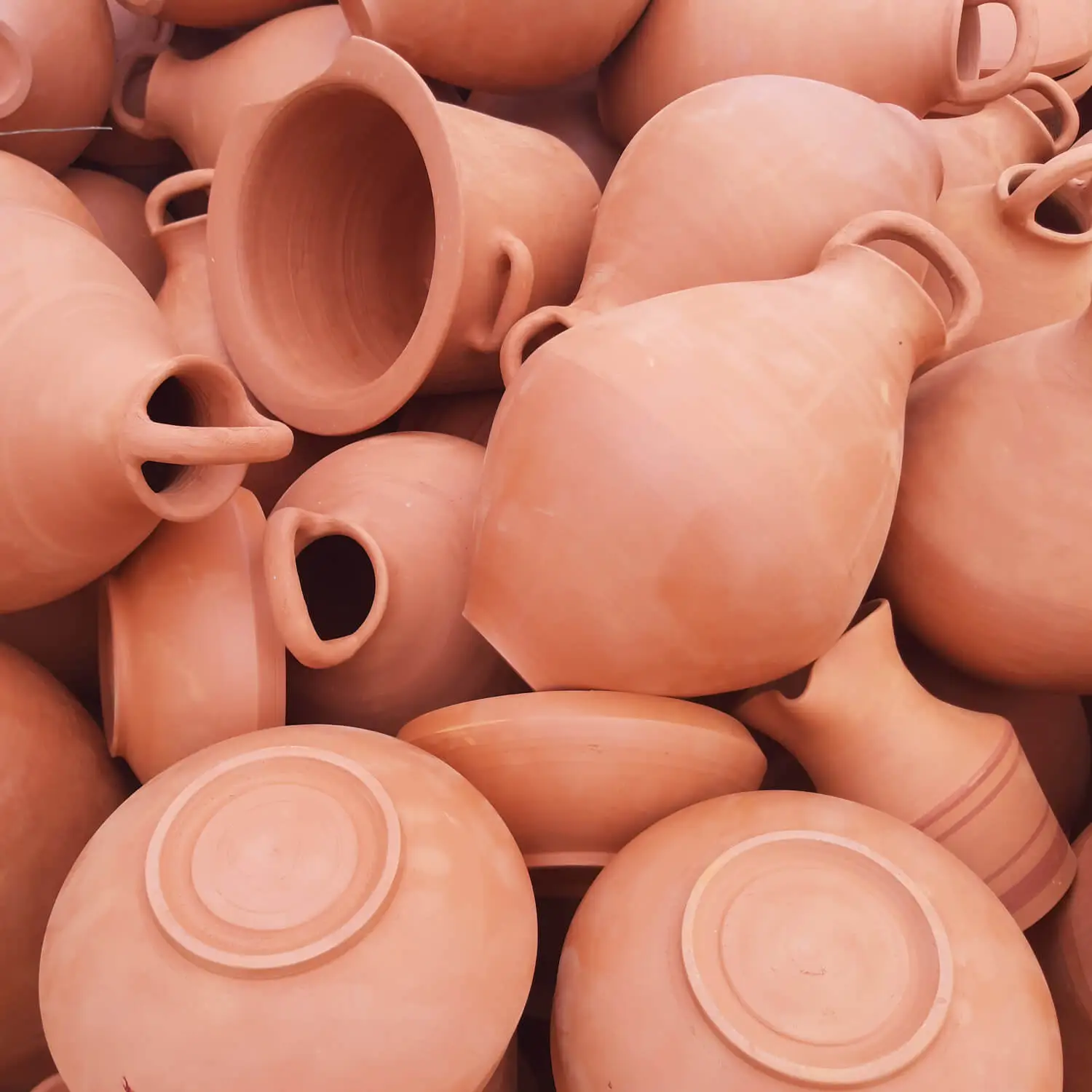
The first corresponds to the development of an experimental archaeology project on protohistory — specifically on the Iberian world — which began to take shape (Master Plan in 2010 and the start of partial projects during 2011) but requires a definitive push.
The proposal to create an experimental field of protohistory was born in late 2009, when the musealization of the Ilergetian fortress of Els Estinclells (Verdú, Urgell) first began to be planned. The CEP aims to create and concentrate in a single physical space the main lines of experimental archaeology on the protohistoric world of the Iberian Peninsula.
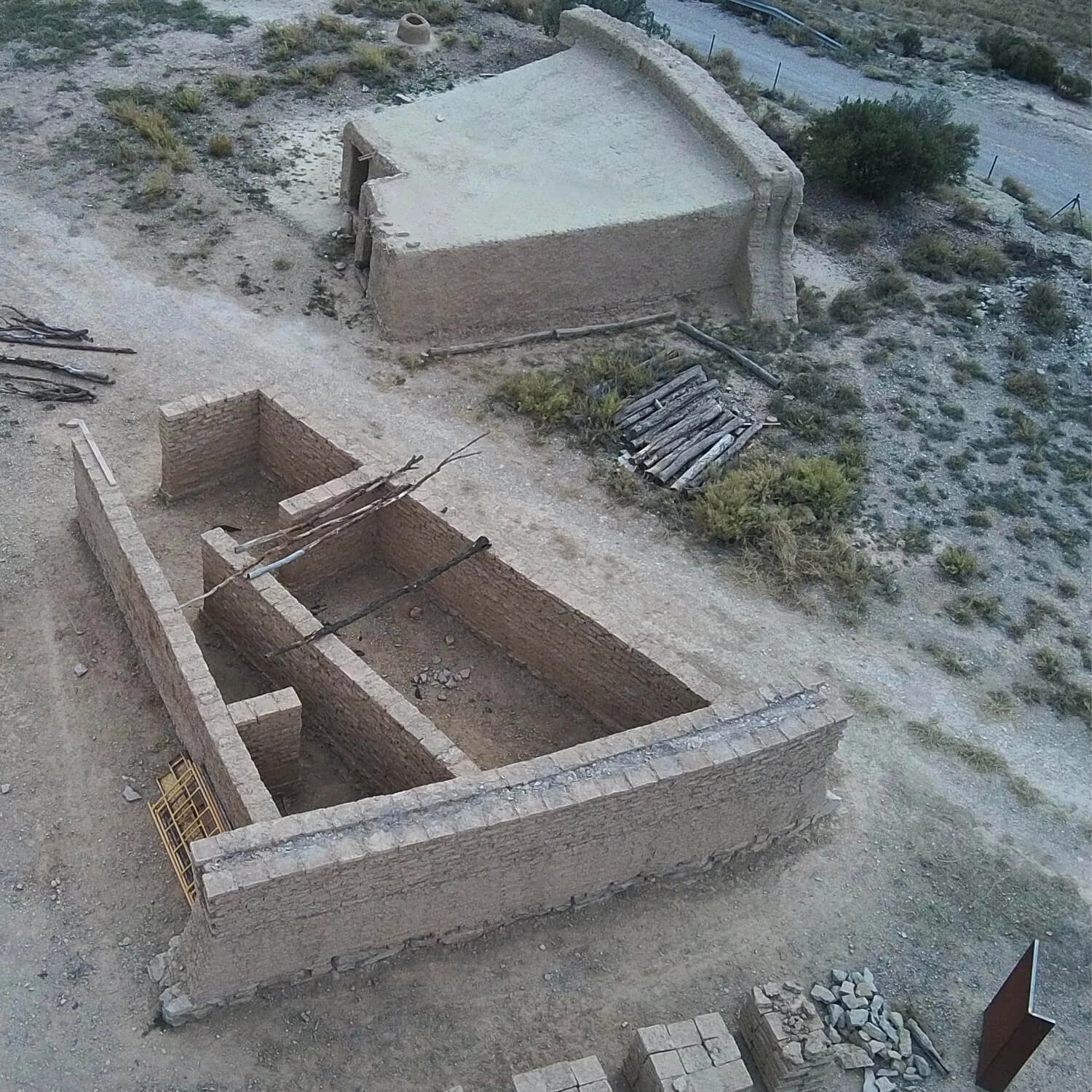
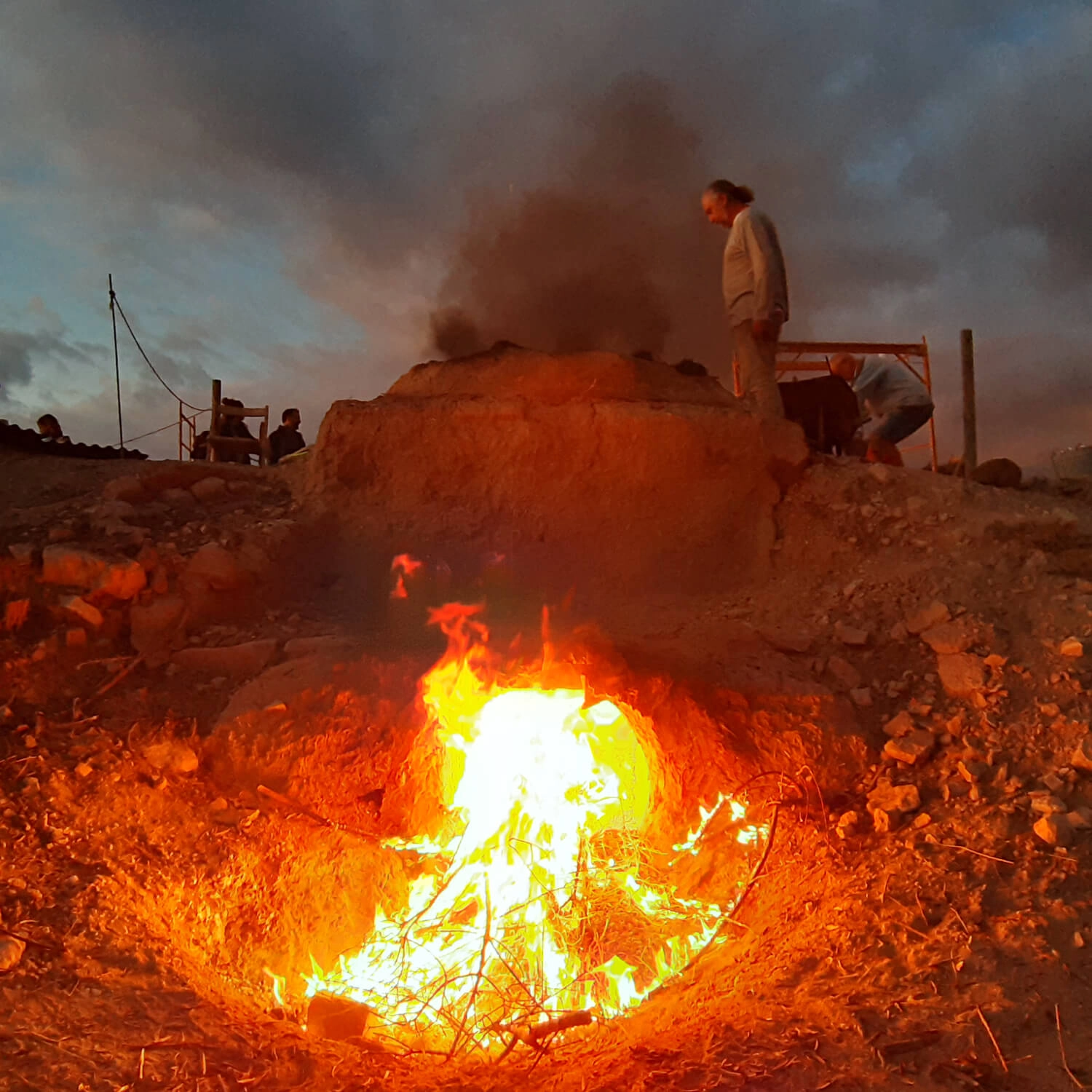
This initiative should give impetus and visibility to experimentation on the Iberian world in general, while building the bridges needed for its educational use in schools.
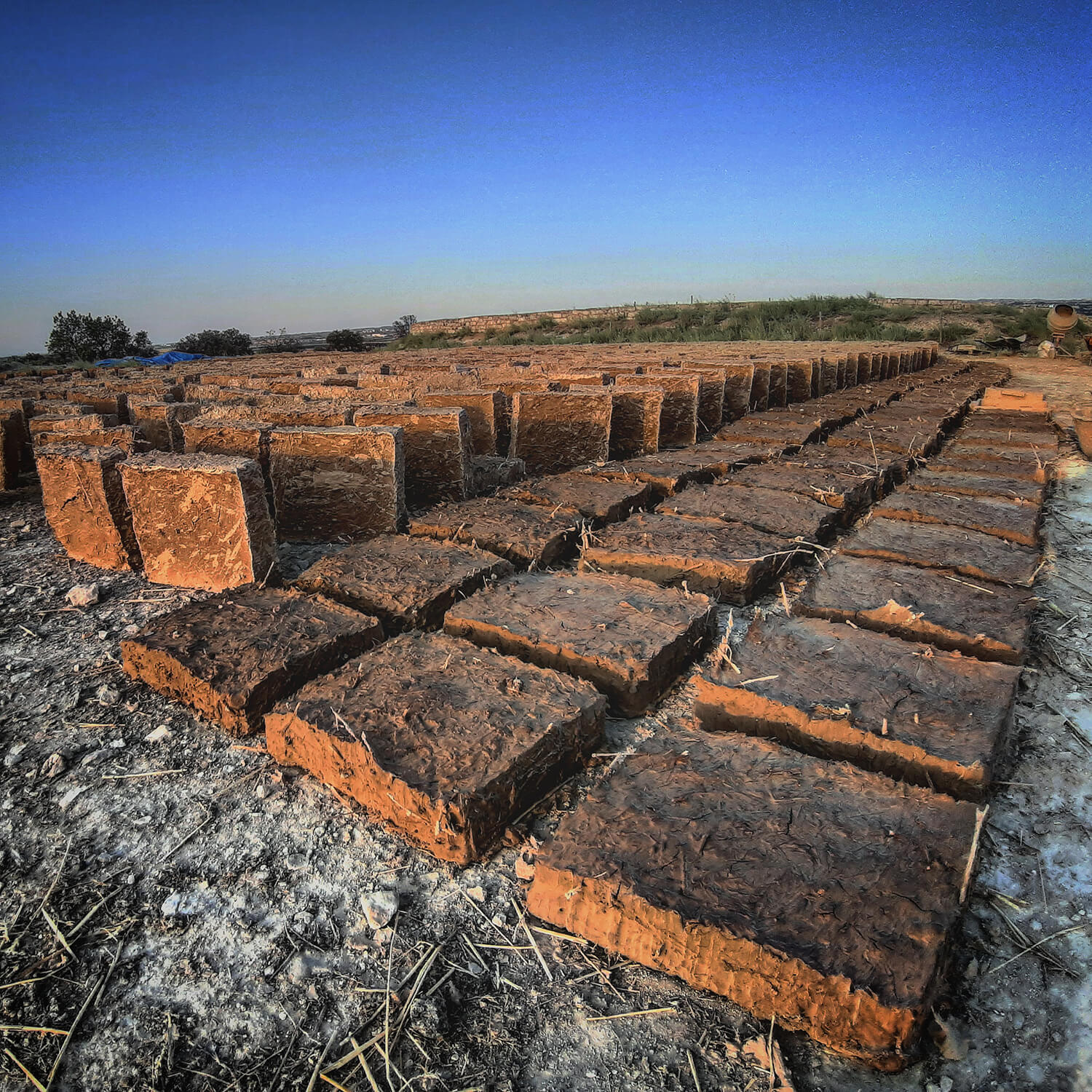
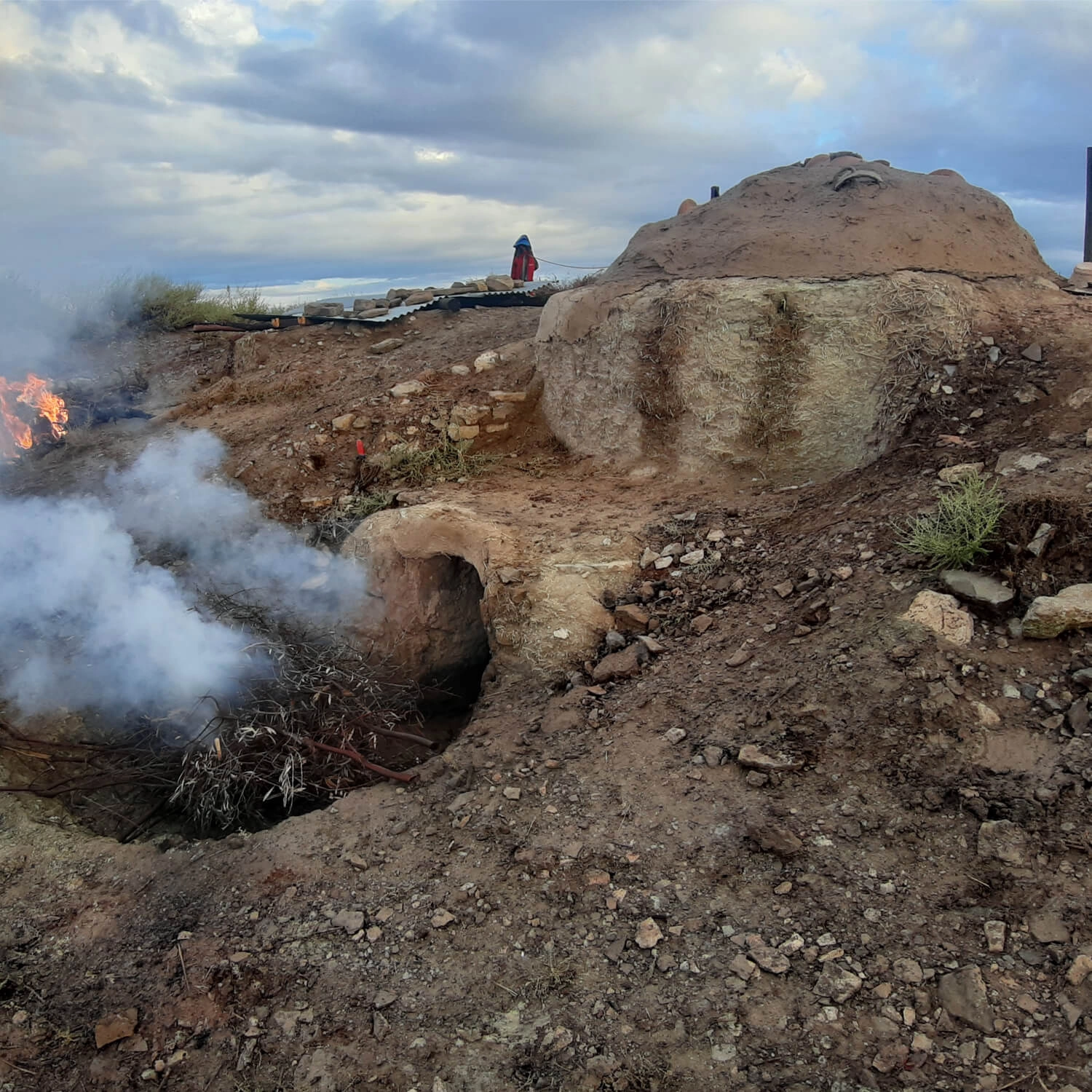
One of the most innovative aspects of this proposal at the scientific level is the development of a research strategy that integrates several lines of experimental archaeology within a single project: agriculture, architecture and craftsmanship in a first phase, and metallurgy and weaving in a second. Today, the ongoing lines of experimentation focus on architectural work and, within craftsmanship, on pottery production.
Scientific publications
In this section you will find the bibliographic references of the various publications produced by the researchers of the excavation project in relation to the Els Estinclells Archaeological Complex.
Asensio, David; Cardona, Ramon; Ferrer, Conxita; Morer de Llorens, Jordi; Pou, Josep; Saula, Oriol. «El jaciment ibèric dels Estinclells (Verdú, Urgell): un assentament fortificat ilerget del segle III aC». Revista d’arqueologia de Ponent, [en línia], 2003, Núm. 13, p. 223-36.
https://raco.pre.csuc.cat/index.php/RAP/article/view/251605 [Accessed: 11-02-2021].
Asensio, David. «El jaciment ibèric dels Estinclells (Verdú, l’Urgell): un petit nucli fortificat del segle III aC». Cota zero: revista d’arqueologia i ciència, [en línia], 2004, Núm. 19, p. 4-6.
https://raco.pre.csuc.cat/index.php/CotaZero/article/view/67361 [Accessed: 11-02-2021].
Asensio i Vilaró, David; Muriel Ortiz, Susanna. «Un enterrament infantil al jaciment ibèric dels Estinclells (Verdú, Urgell)». Urtx: revista cultural de l’Urgell, [en línia], 2006, Núm. 19, p. 41-67.
https://raco.pre.csuc.cat/index.php/Urtx/article/view/169141 [Accessed: 11-02-2021].].
Asensio i Vilaró, David; Cardona Colell, Ramon; Ferrer Àlvarez, Conxita; Morer de Llorens, Jordi; Pou Vallés, Josep; Saula i Briansó, Oriol; Garcia Dalmau, Cristina. «Una almàssera del segle III AC dins del nucli ibèric dels Estinclells (Verdú, Urgell)». Urtx: revista cultural de l’Urgell, [en línia], 2010, Núm. 24, p. 55-76.
https://raco.pre.csuc.cat/index.php/Urtx/article/view/199686 [Accessed: 11-02-2021].
Asensio, David; Cardona, Ramon; García Dalmau, Cristina; Ferrer, Conxita; Morer de Llorens, Jordi; Saula, Oriol; Pou, Josep. «El fossat del poblat ibèric dels Estinclells (Verdú, l’Urgell). Segle III aC». Revista d’arqueologia de Ponent, [en línia], 2011, Núm. 21, p. 121-8.
https://www.raco.cat/index.php/RAP/article/view/252322 [Accessed: 11-02-2021].
Valenzuela-Lamas, Sílvia. «Alimentació i artesanat. Els macromamífers de la bassa del poblat ibèric dels Estinclells (Verdú, Urgell)». Urtx: revista cultural de l’Urgell, [en línia], 2010, Núm. 24, p. 77-90.
https://raco.pre.csuc.cat/index.php/Urtx/article/view/199687 [Accessed: 11-02-2021].
Asensio, David; Cardona, Ramon; Ferrer, Conxita; Garcia i Dalmau, Cristina Núria; Morer de
Llorens, Jordi; Pou, Josep; Saula, Oriol. «L’arquitectura domèstica en el nucli fortificat ilergeta dels Estinclells (Verdú, l’Urgell), Segle III aC». L’espai domèstic i l’organització de la societat a la protohistòria de la Mediterrània occidental (1er millenni aC): actes de la IV Reunió internacional d’Arqueologia de Calafell, 2007, p. 125-142.
https://dialnet.unirioja.es/servlet/libro?codigo=400751&orden=0&info=open_link_libro [Accessed: 29-02-2024].
Asensio, David; Cardona, Ramon; Ferrer, Conxita; Morer de Llorens, Jordi; Pou, Josep; Saula, Oriol; Garcia i Dalmau, Cristina Núria. «Una almàssera del segle III aC dins del nucli ibèric dels Estinclells (Verdú, Urgell)». Urtx: Revista cultural de l’Urgell, 2010, Núm. 24, p. 55-76.
https://dialnet.unirioja.es/descarga/articulo/3355240.pdf [Accessed: 29-02-2024].
Asensio, David; Cardona, Ramon; Garcia i Dalmau, Cristina Núria; Ferrer, Conxita; Morer de Llorens, Jordi; Saula, Oriol; Pou, Josep. «El fossat del poblat ibèric del Estinclells (Verdú, l’Urgell). Segle III aC». Urtx: Revista d’Arqueologia de Ponent, 2011, Núm. 21, p. 121-128.
RAP 21.indb (udl.cat) [Accessed: 29-02-2024].
Asensio, David; Cardona, Ramon; Morer de Llorens, Jordi; Pou, Josep; Saula, Oriol; Alonso, Natàlia. «El jaciment dels Estinclells (Verdú, Urgell): una fortalesa ilergeta del segle iii aC. Nova recerca a partir del Camp d’Experimentació de la Protohistòria (CEP)». Tribuna d’ arqueologia, Núm. 2013-2014, 2016, p. 152-176.
https://dialnet.unirioja.es/servlet/articulo?codigo=9060118&orden=0&info=link [Accessed: 29-02-2024].
Cardona, Ramon; Ferrer, Conxita; Garcia, Cristina; Gil, Borja; Morer de Llorens, Jordi; Pou, Josep; Saula, Oriol; Asensio, David. «El projecte d’arquitectura ibérica del Camp Experimental de la Protohistòria (CEP) de la fortaleza ilergeta dels Estinclells». Arqueologia. Estudio y difusión del pasado. Sèrie Monogràfica del MAC-Girona, 25.2, 2013, p. 433-440.
https://www.academia.edu/8198143/EL_PROJECTE_D_ARQUITECTURA_IB%C3%88RICA_DEL_CAMP_EXPERIMENTAL_DE_LA_PROTOHIST%C3%92RIA_CEP_DE_LA_FORTALESA_ILERGETA_DELS_ESTINCLELLS_AA_VV [Accessed: 29-02-2024].
Carona, Ramon; Morer, Jordi; Pou, Josep; Saula, Oriol; Jornet, Rafel; Alonso, Natàlia; Asensio, David; Castillo, Laia; Merino, Marta; Pinto, Mireia. «Tretze anys de recerca a la fortales ilergeta dels Estinclells. Camp d’Experimentació de la Protohistòria (CEP): un model científic i pedagògic». Primeres Jornades d’Arqueologia i paleontologia de Ponent, 2015, p. 110-121.
https://www.academia.edu/38456662/TRETZE_ANYS_DE_RECERCA_A_LA_FORTALESA_ILERGETA_DELS_ESTINCLELLS_CAMP_D_EXPERIMENTACI%C3%93_DE_LA_PROTOHIST%C3%92RIA_CEP_UN_MODEL_CIENT%C3%8DFIC_I_PEDAG%C3%92GIC [Accessed: 29-02-2024].
Cardona, Ramon; Gil, Borja; Morer de Llorens, Jordi; Asensio, David; Pou, Josep. «Architectural and agricultural experimentation (2012-2013) at the experimental camp of protohistory (CEP) (Verdú, Urgell, Catalonia)». Playing with the time. Experimental archaeology and the study of the past. 2017, p.295-299.
https://www.academia.edu/38456315/ARCHITECTURAL_AND_AGRICULTURAL_EXPERIMENTATION_2012_2013_AT_THE_EXPERIMENTAL_CAMP_OF_PROTOHISTORY_CEP_VERD%C3%9A_URGELL_CATALONIA [Accessed: 29-02-2024].
Cardona, Ramon; Asensio, David; Morer de Llorens, Jordi; Pou, Josep; Saula, Oriol. «Bellum se ipsum alet. Els Estinclells (Verdú, l’Urgell). Especulació sobre un incendi». Actes de la Jornada de Treball, XLV, Projecte ilergècia. Territori i poblament ibèric a la plana ilergeta. 2020, p. 229-264.
https://www.academia.edu/44574664/Bellum_se_ipsum_alet_Els_Estinclells_Verd%C3%BA_lUrgell_Especulaci%C3%B3_sobre_un_incendi [Accessed: 29-02-2024].
Morer de Llorens, Jordi; Cardona, Ramon; Ferrer, Conxita; Garcia, Cristina; Pou, Josep; Asensio, David; Saula, Oriol. «La creació d’un camp experimental per a la protohistòria a la fortalesa ilergeta dels Estinclells (Verdú, l’Urgell)». Experimentación en arqueologia. Estudio y difusión del pasado. Sèrie Monogràfica del MAC-Girona, 25.2, 2013, p. 337-345.
https://www.academia.edu/8197951/La_creaci%C3%B3_dun_camp_experimental_per_a_la_protohist%C3%B2ria_a_la_fortalesa_ilergeta_dels_Estinclells_Verd%C3%BA_lUrgell_AA_VV [Accessed: 29-02-2024].
Morer de Llorens, Jordi; Cardona, Ramon; Ferrer, Conxita; Garcia, Cristina; Pou, Josep; Asensio, David; Saula, Oriol; Alonso, Natàlia. «The Creation of an Experimental Camp of Protohistory at the Iberian Settlement of Estinclells (Verdú, Urgell, Catalonia)». EXARC Journal, 2015.
https://www.academia.edu/95549237/The_Creation_of_an_Experimental_Camp_of_Protohistory_at_the_Iberian_Settlement_of_Estinclells_Verd%C3%BA_Urgell_Catalonia [Accessed: 29-02-2024].
Morer de Llorens, Jordi; Asensio, David; Cardona, Ramon; Pou, Josep; Cantero, Francisco José; Castillo, Laia; Garcia, Cristina; Jornet, Rafel; Gil, Borja; Herms, Jordi; Merino, Marta; Pinto, Mireia; Sanchez, Laro. «El Centre d’Estudis Lacetans fa 20 anys. Una entitat dedicada a la recerca arqueològica a l’entorn del Solsonès». Tribuna d’Arqueologia, 20, 2019, p. 63-83.
https://www.academia.edu/41843140/El_Centre_d_Estudis_Lacetans_fa_20_anys_Una_entitat_dedicada_a_la_recerca_arqueol%C3%B2gica_a_l_entorn_del_Solson%C3%A8s [Accessed: 29-02-2024].
Morer de Llorens, Jordi; Cardona, Ramon; Gil, Borja; Jornet, Rafel. «Arqueologia experimental al CEP dels Estinclells (Verdú, Urgell)». Actes de la Jornada de Treball, XLV, Projecte ilergècia. Territori i poblament ibèric a la plana ilergeta. 2020, p. 511-538.
https://www.academia.edu/44964885/ARQUEOLOGIA_EXPERIMENTAL_AL_CEP_DELS_ESTINCLELLS_VERD%C3%9A_URGELL [Accessed: 29-02-2024].