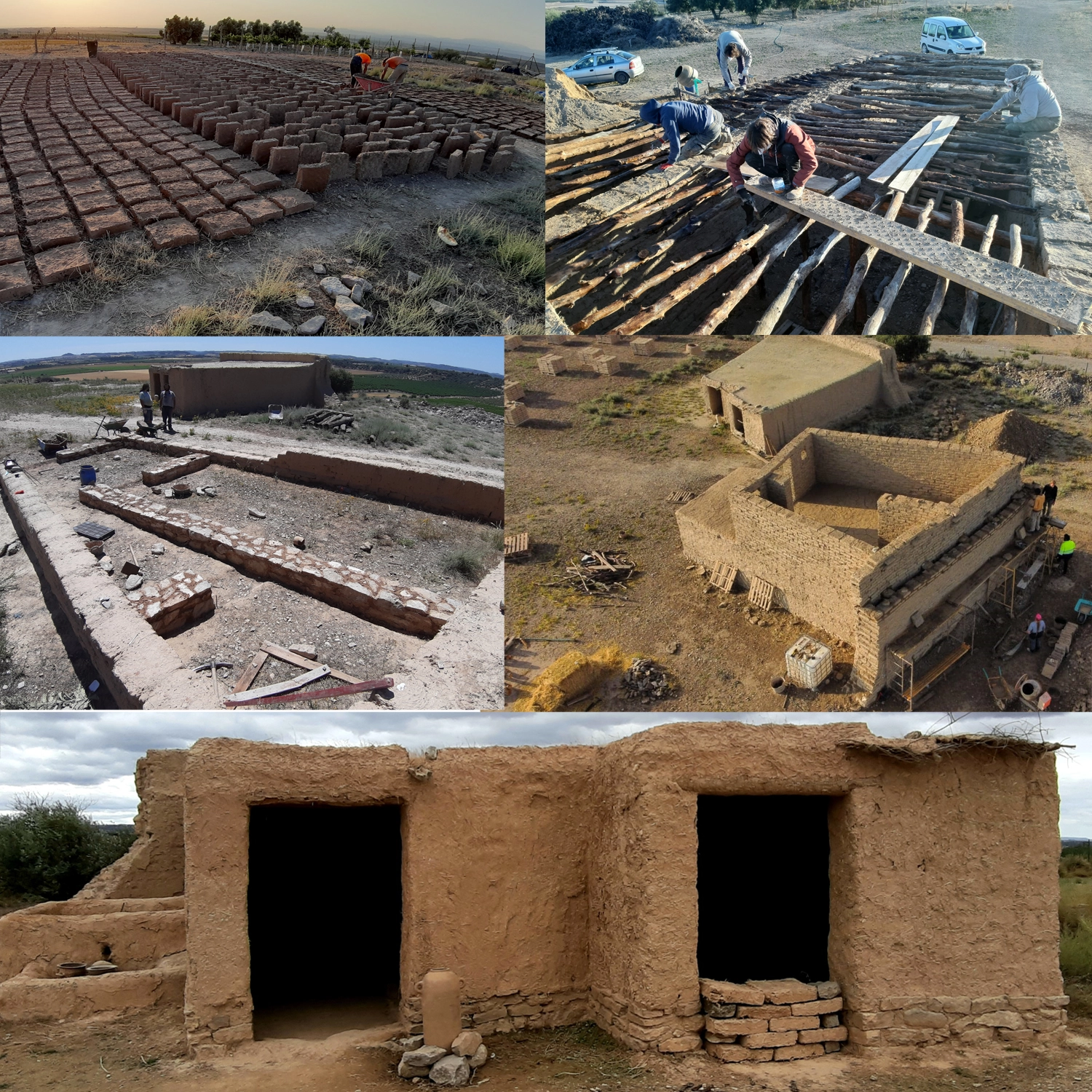
Audio Guide: Craftsmanship Area
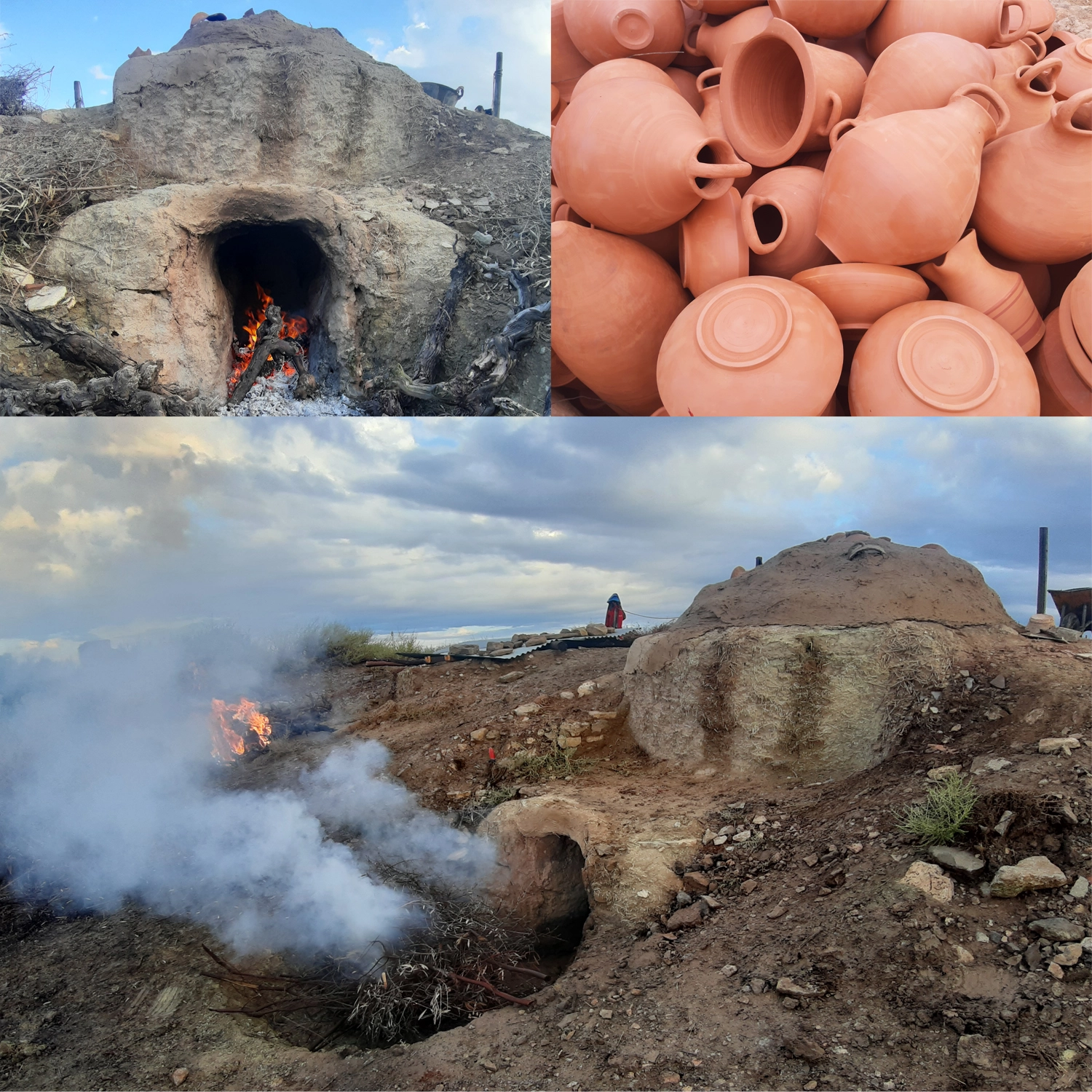
In the field of craftsmanship, an experimental reconstruction has been carried out of two Iberian kilns from Corral Nou/Hortes de cal Pons in Pontons (Alt Penedès).
The results of these excavations, together with the experimental firings, have made it possible to gain deeper insight into the technical aspects of how Iberian pottery kilns operated.
This experimentation sector is located on the southern slope of Els Estinclells, as these are structures built by taking advantage of the terrain’s slope.
This full-scale (1:1) replica aimed to reproduce and document the controlled reconstruction of Iberian ceramic kilns and their operation, thereby deepening our understanding of Iberian pottery production and its manufacturing processes.
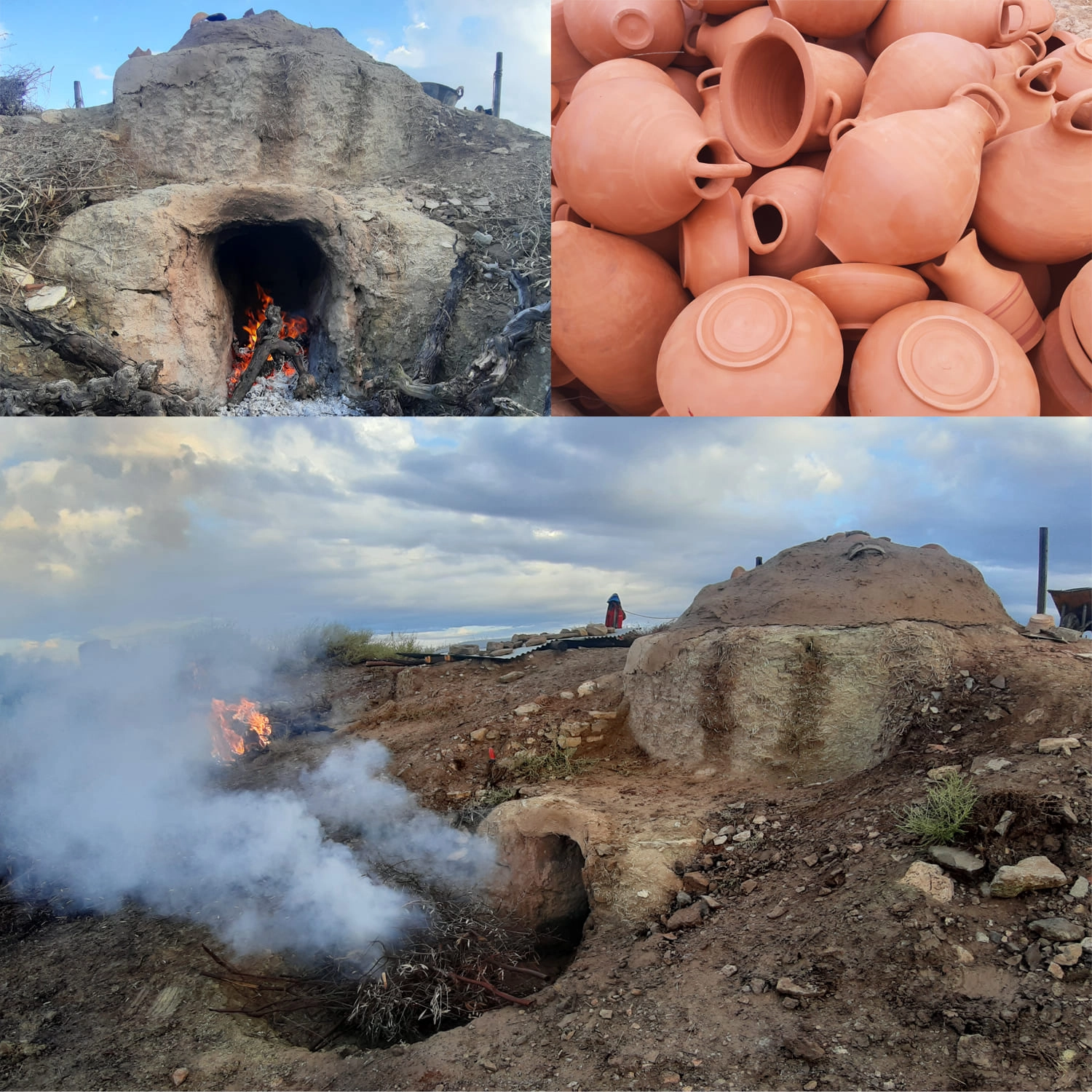
These are vertical-draft combustion structures consisting of two chambers: a lower combustion chamber and an upper chamber for firing the ceramics. The lower chamber is buried, which contributes to excellent thermal insulation.
This excavated chamber is often preceded by a corridor or praefurnium, where the fire is lit and regulated to prevent it from impacting the upper firing chamber too directly.
Fire control was carried out specifically in the corridor or stoking area rather than directly inside the combustion chamber. This allowed for a more even distribution of heat, which would then pass through the holes of the grate.
The grate functions as a second fire regulator. On the one hand, it prevents unwanted elements from entering the firing chamber, keeping them within the combustion chamber. On the other, it softens the intensity of the flames and moderates temperature fluctuations.
To date, the smaller kiln—Kiln number 6 from Hortes de Cal Pons, with a maximum diameter of 1.90 m—has been operated several times. The other structure is a replica of kiln number 4, which has a maximum diameter of 3 m. By constructing two kilns of different sizes, the aim is to compare their respective behaviors and performance.
This experimental process at the CEP can be described as a learning process. Starting from original data—the archaeological evidence—interpretative hypotheses are formulated, which, together with ethnographic information, guide the design of the experiment.
Each experiment generates additional objective evidence—experimental data—which is then subjected to a process of comparison and correlation with the original archaeological data. Through this systematic recording and control of variables, it becomes possible to build a corpus of information on how the archaeological record is formed and on the functioning of combustion structures.
To achieve this objective, and given the complexity involved in constructing and understanding these types of combustion structures, we have chosen to complement the archaeological data with ethnographic information.
In this case, we consider it reasonable to draw on data from Berber kiln-building traditions (a culture of pre-Roman origin), which are still in use today in central Morocco, particularly in the Er Rachidia region.
It is worth mentioning that another line of research we apply at the CEP to deepen our knowledge of the past, as a complement to archaeological experimentation, is ethnographic analogy as a mechanism for generating reconstructive hypotheses.
We understand that ethnographic analogy makes it possible to create a corpus of data that can be meaningfully applied from the perspective of experimental archaeology. Thus, in this experimental project involving two ceramic kiln structures, the CEP seeks to foster a controlled dialogue between these two records: the material data from archaeology and the material data from ethnography.
These will contribute to the generation of reconstructive hypotheses and will facilitate the execution of the experiment by allowing the various variables to be recorded.
The archaeological evidence underpinning this experimentation comes from the Iberian ceramic-production settlement of Hortes de Cal Pons, located in the municipality of Pontons in the Alt Penedès region.
This settlement, dated between the late 5th century BC and the early 4th century BC, specialized in the production of Iberian ceramics, particularly large containers (storage jars and amphorae). During the experimental firings, the grate and the upper chamber are monitored using two pyrometers.
With guidance from technicians at the company SAF in Verdú, sensors are placed at different heights between the grate and the top of the firing chamber. A datalogger station connected to the thermocouples records information at intervals of 30 seconds, one minute, and five minutes.
In addition to temperature, other data are recorded, such as atmospheric pressure, relative humidity, wind direction, wood types and sizes, draft quality, and other relevant details.
All the pieces fired in these experiments are replicas of the Iberian ceramic forms recovered during the excavation process of the Iberian settlement. These replicas are crafted by local potters from Verdú, Mr. Enric Orobitg and Mr. Magí Sambola.
During one of the firings, a short documentary was filmed regarding this branch of experimentation. You can watch the documentary on the kilns at the following link: De Foc i de Fang Sub ES 220625 (youtube.com)
All points of interest:
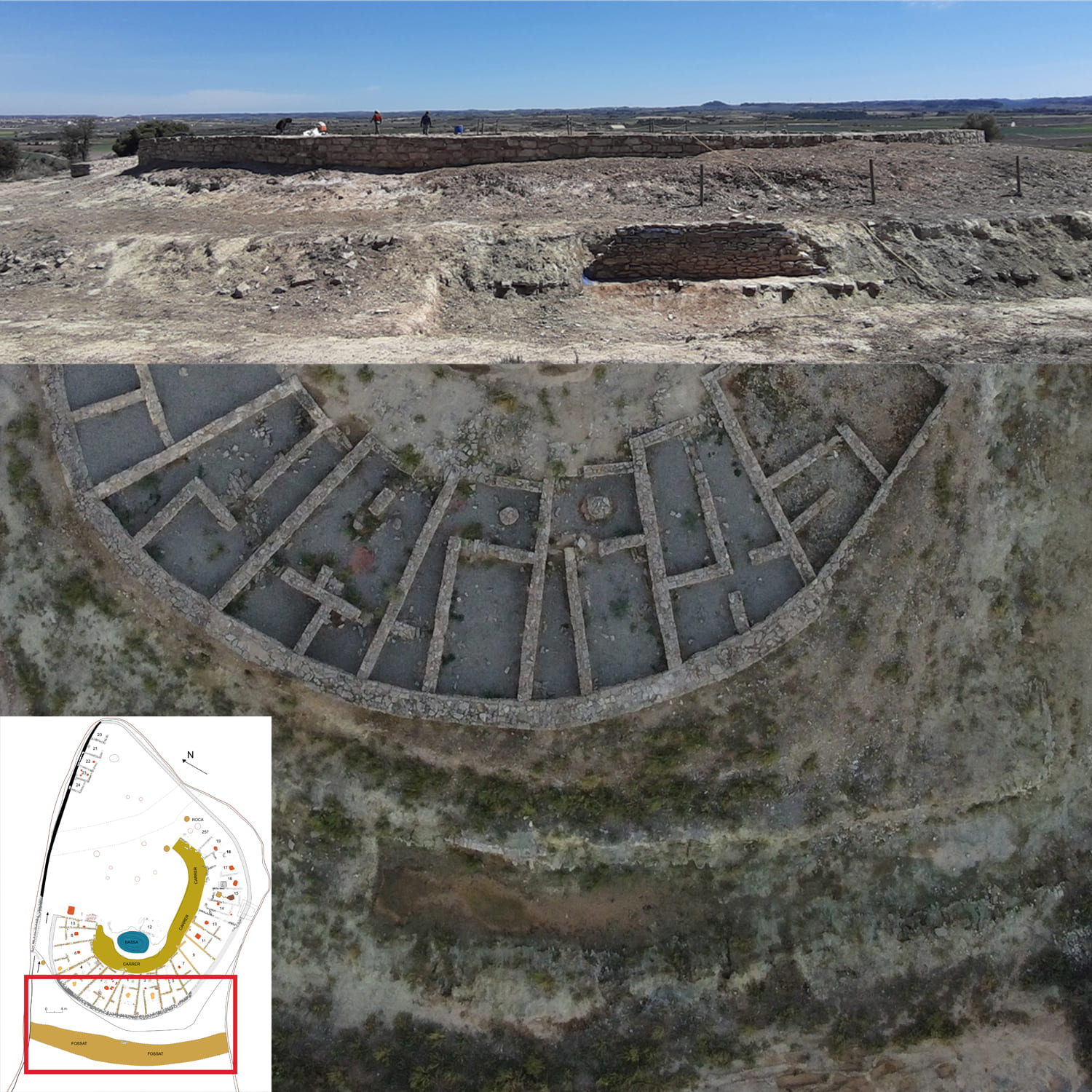
1. Ditch and Wall Area
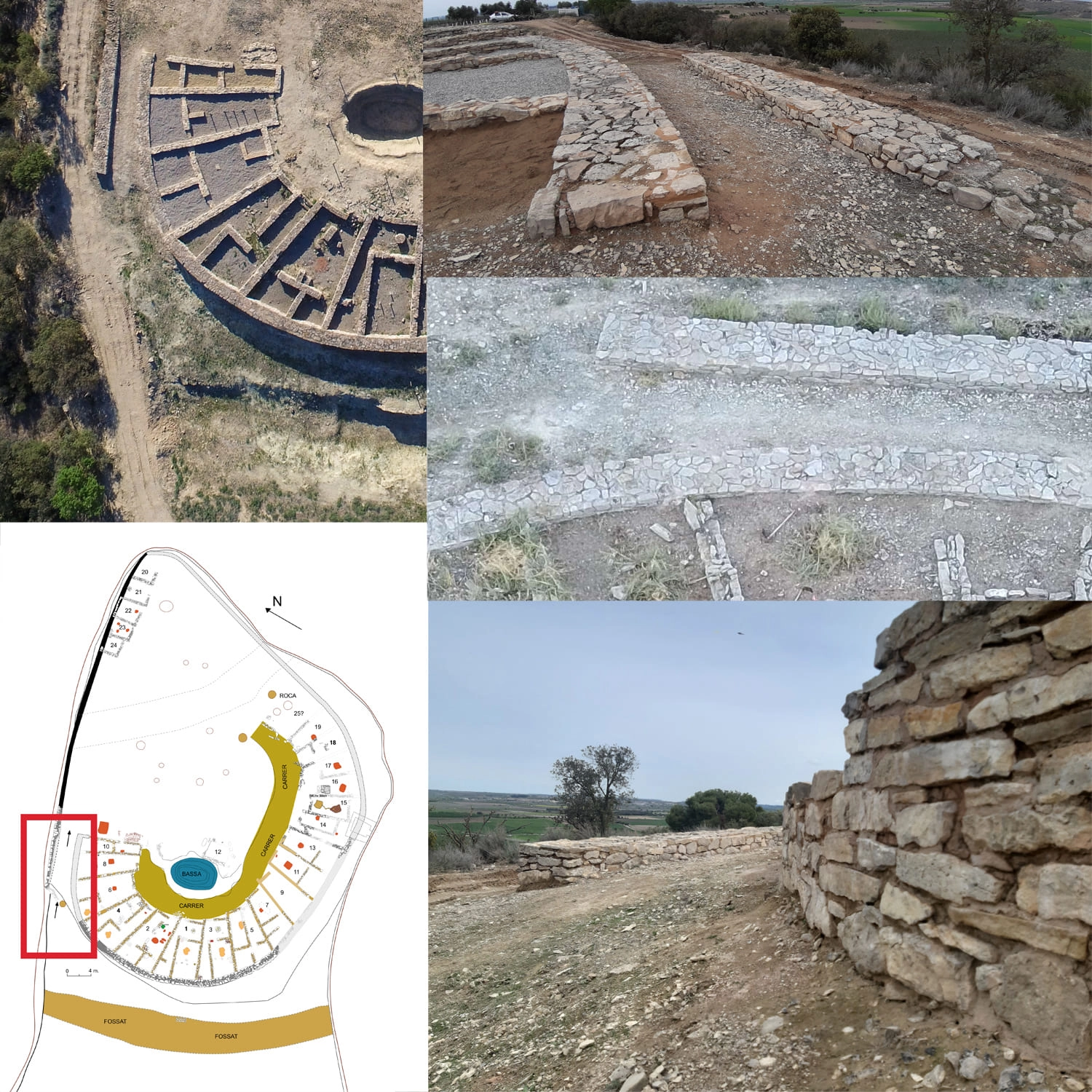
2. Settlement Entrance and Gate
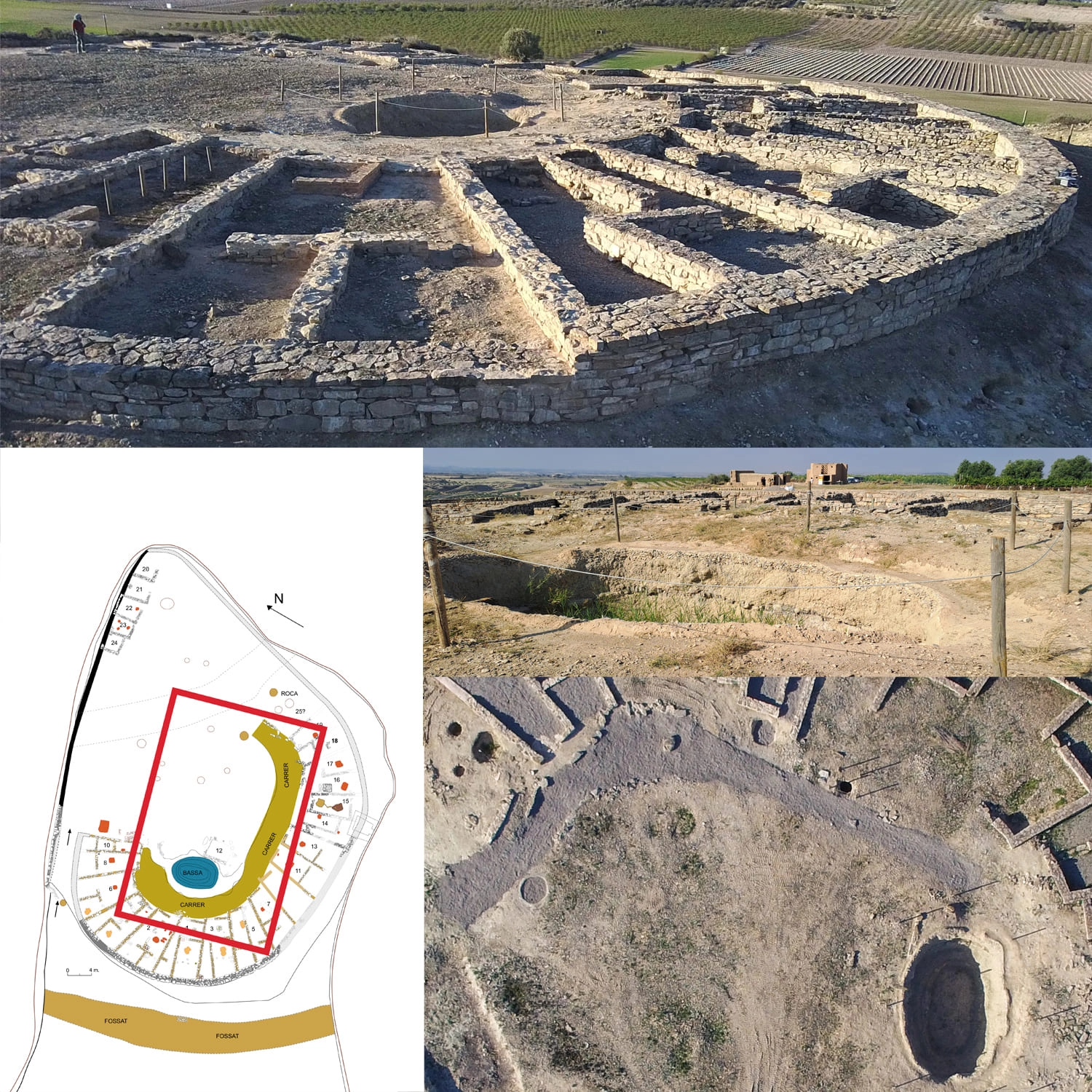
3. Circular Street and Basin
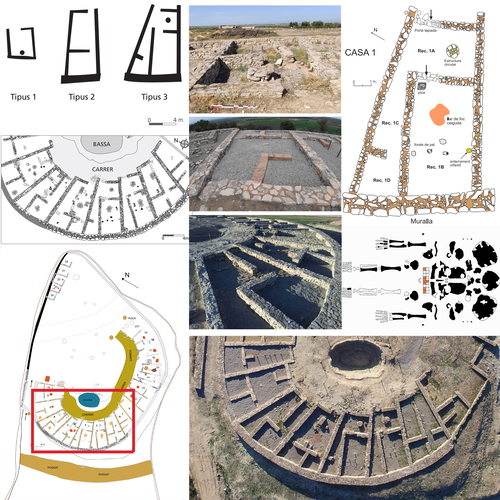
4. Complex Housing District
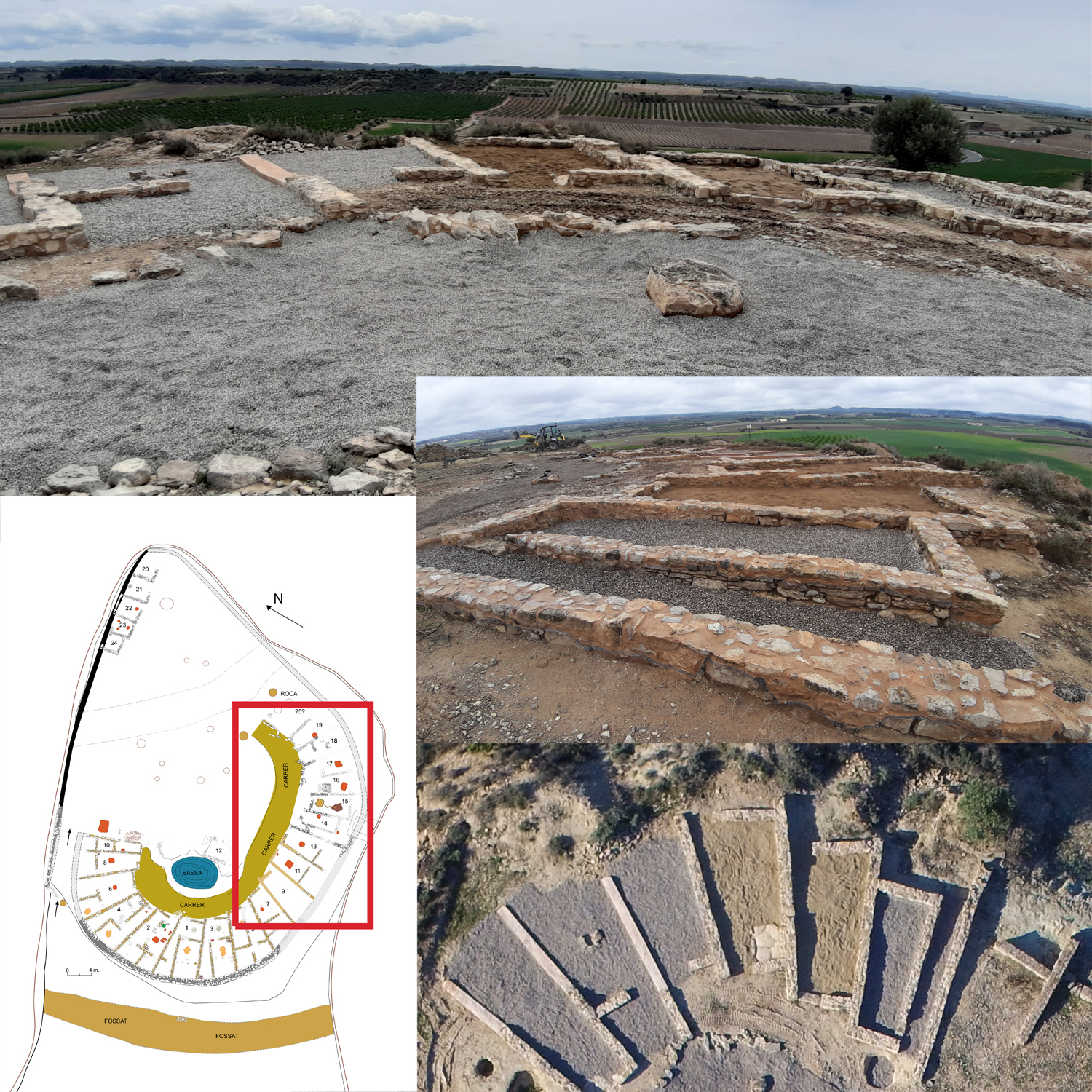
5. Simple Housing District
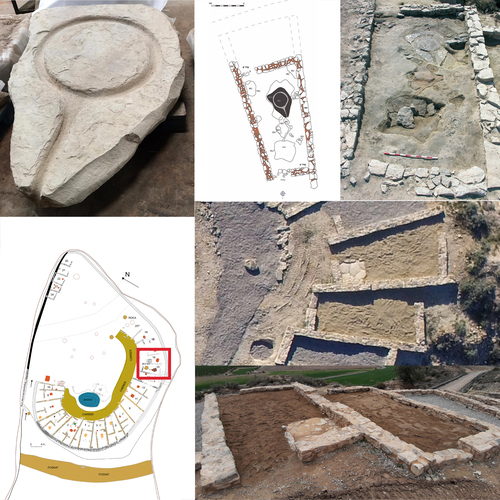
6. Pressing Workshop
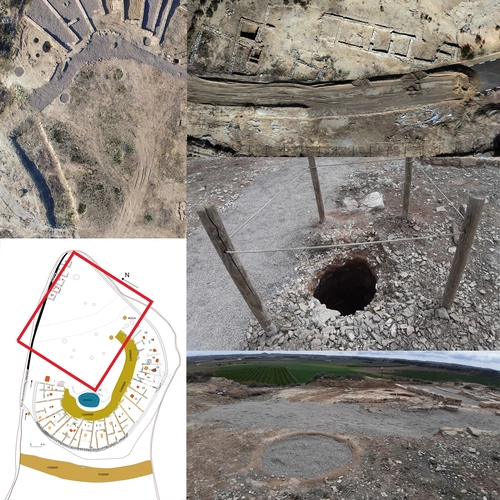
7. Open Area: Silos and Pits
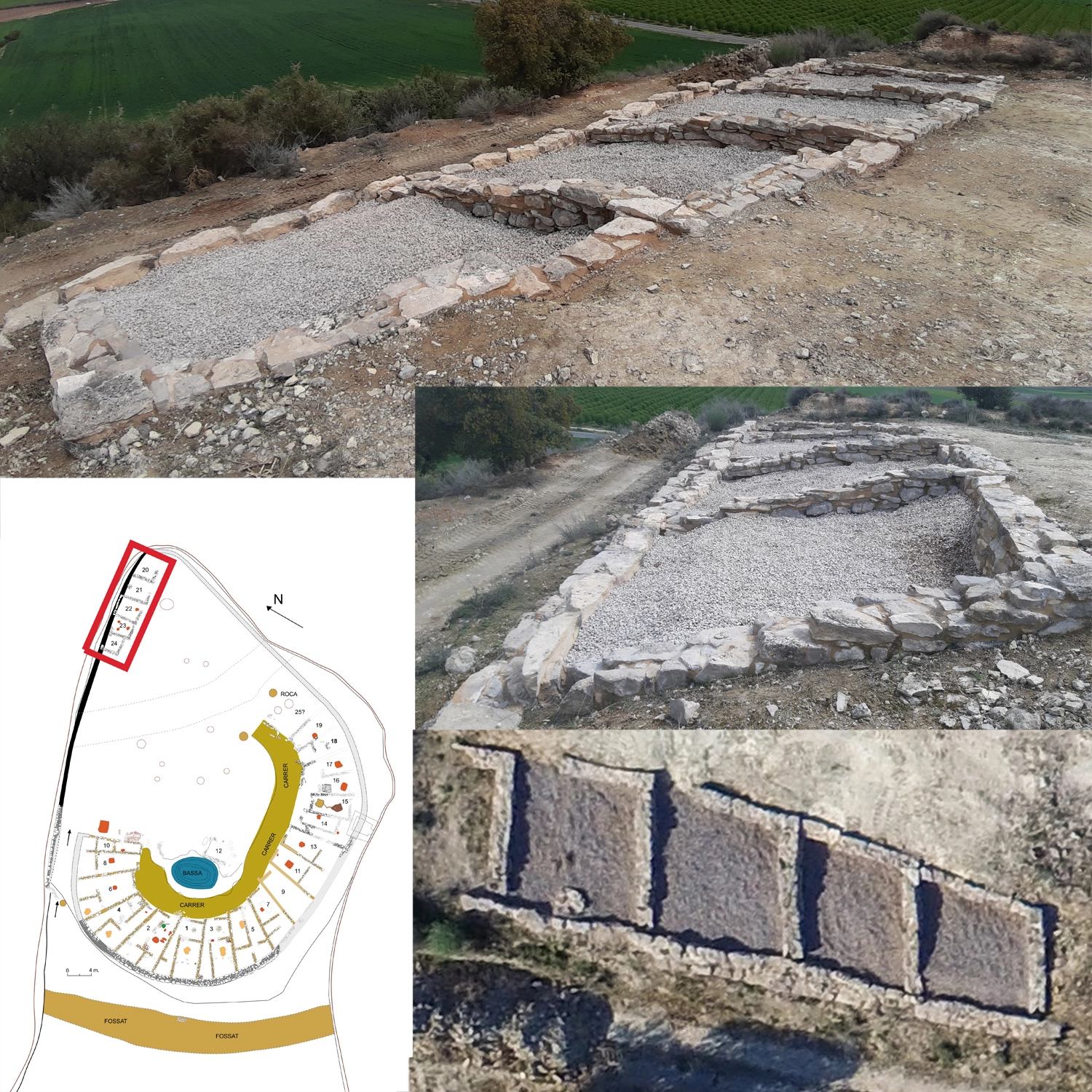
8. Tiny Housing District
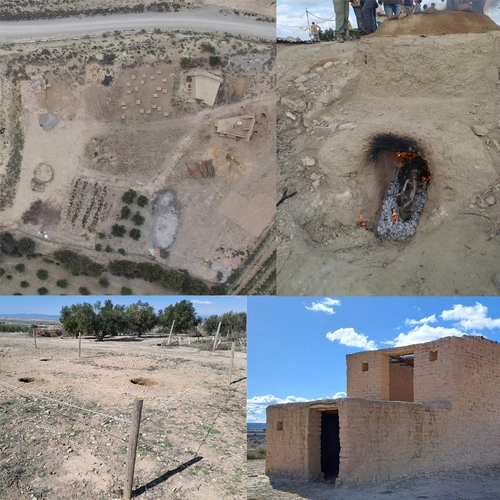
9. The Protohistory Experimental Field
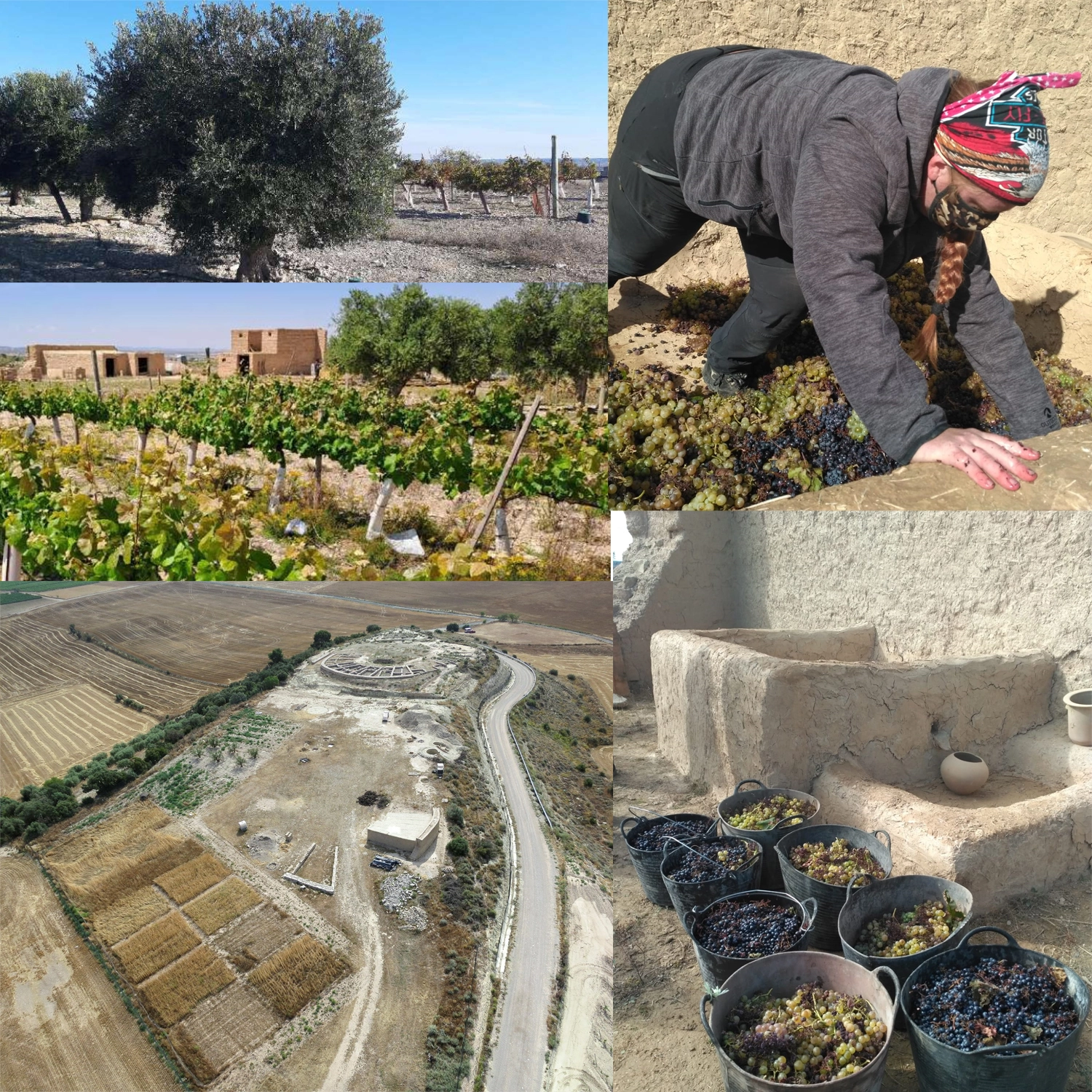
10. Agricultural Area
11. Craftsmanship Area