Audio Guide: The Protohistory Experimental Field
The proposal to create a Protohistory Experimentation Field emerged at the end of 2009, when the plans for the musealization of the Ilergetian fortress of Els Estinclells (Verdú, l’Urgell) first began to take shape.
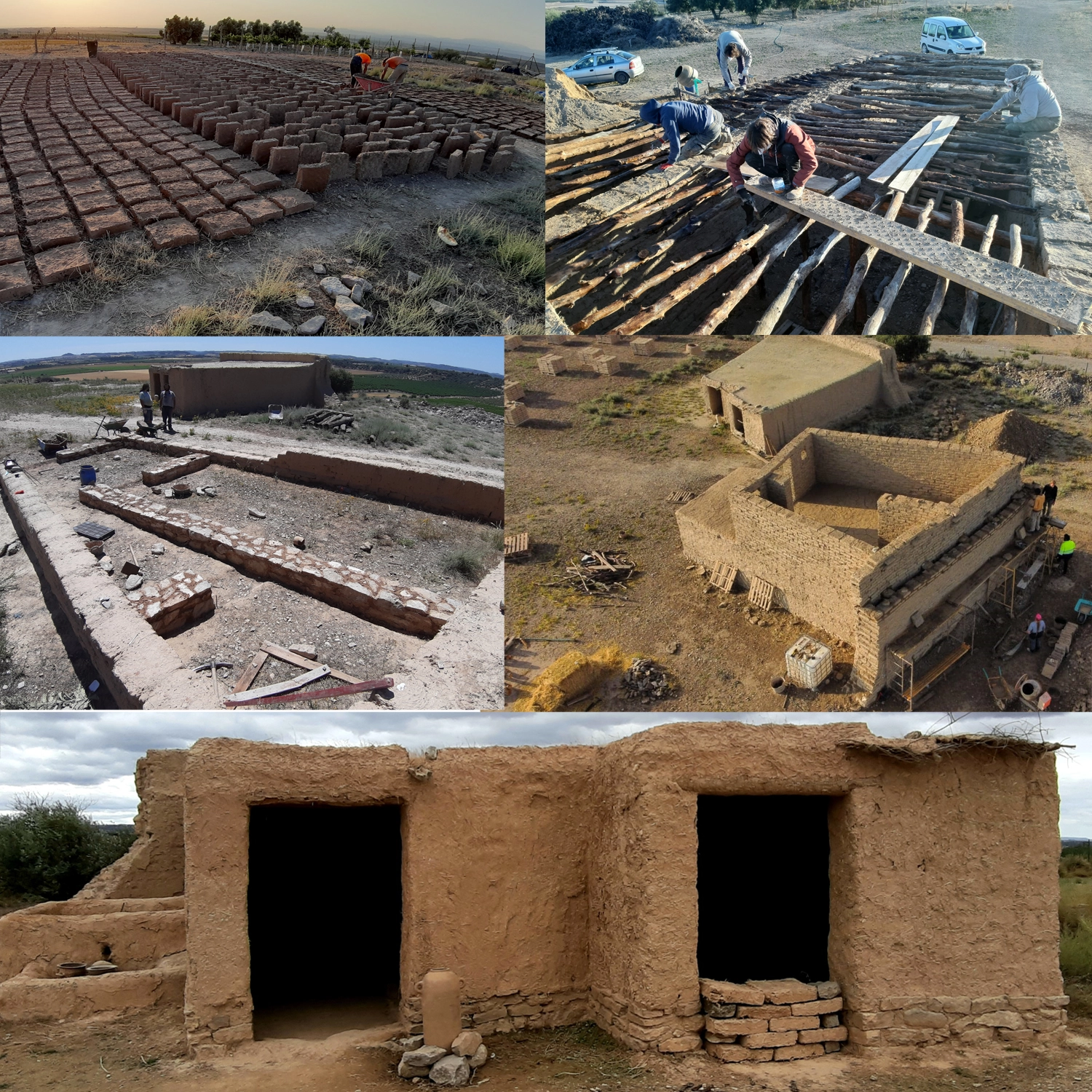
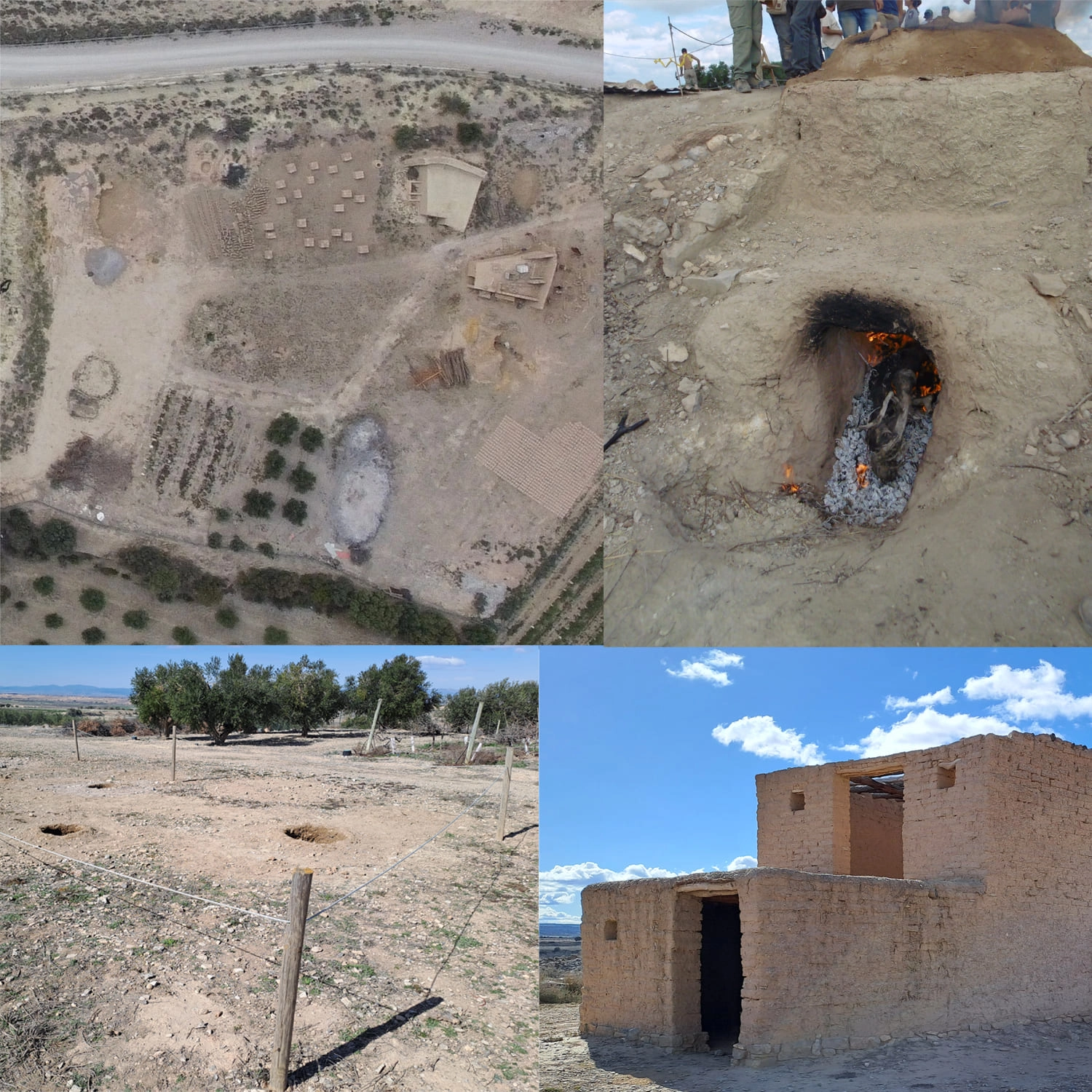
The CEP (Protohistory Experimental Field) aimed to bring together, within a single physical space, the main lines of experimental archaeology related to the protohistoric world of the Iberian Peninsula.
This initiative has helped promote and expand experimental research on the Iberian world, while also creating the necessary bridges to enable its educational use at the school level.
This project began with the Recercaixa CEP-Zer initiative, a collaboration between the University of Lleida and the Centre d’Estudis Lacetans.
The Ilergetian fortress of Els Estinclells in Verdú (l’Urgell) offers an exceptional portrayal of the life and organization of an Iberian settlement from the late 3rd century BC. Its sudden abandonment cannot be separated from the international military conflicts of the period, particularly within the context of the Second Punic War.
The scientific project, closely linked to the outreach initiative, aims to shed light on aspects that archaeological excavations alone have not been able to reveal—particularly those related to the activities carried out within the settlement.
A plan is proposed based on experimental archaeology, focusing on aspects documented at the site itself as well as others that form an essential part of Iberian culture: construction, agriculture, and ceramic production.
The model we propose is that of a site that interacts continuously with the public, researchers, and the administration. To achieve this, the archaeological site must serve as the core of the entire project.
The Els Estinclells model is not subject to significant urban pressure; however, it is affected by a major public infrastructure project: the Segarra-Garrigues Canal, as well as the land consolidation process carried out prior to the construction of the irrigation network.
This infrastructure project has made it possible for the site to come under municipal ownership, allowing it to benefit from the advantages of a local, close-proximity administration.
This initiative is the result of extensive work in synthesizing and disseminating the outcomes of the scientific process, as well as reflecting on the role of experimentation in archaeology and on the scientific understanding of protohistory.
All of this has led to the consolidation, within a single experimental field (CEP Verdú), of various initiatives that had previously been carried out independently across the territory (Sant Esteve d’Olius, Solsonès, Calafell, Verdú, and others).
The aim is to use experimental archaeology as a multifaceted discipline capable of bringing together, within a single project, experimental research, the educational system, and the democratic values of defending, preserving, and promoting cultural heritage.
All points of interest:
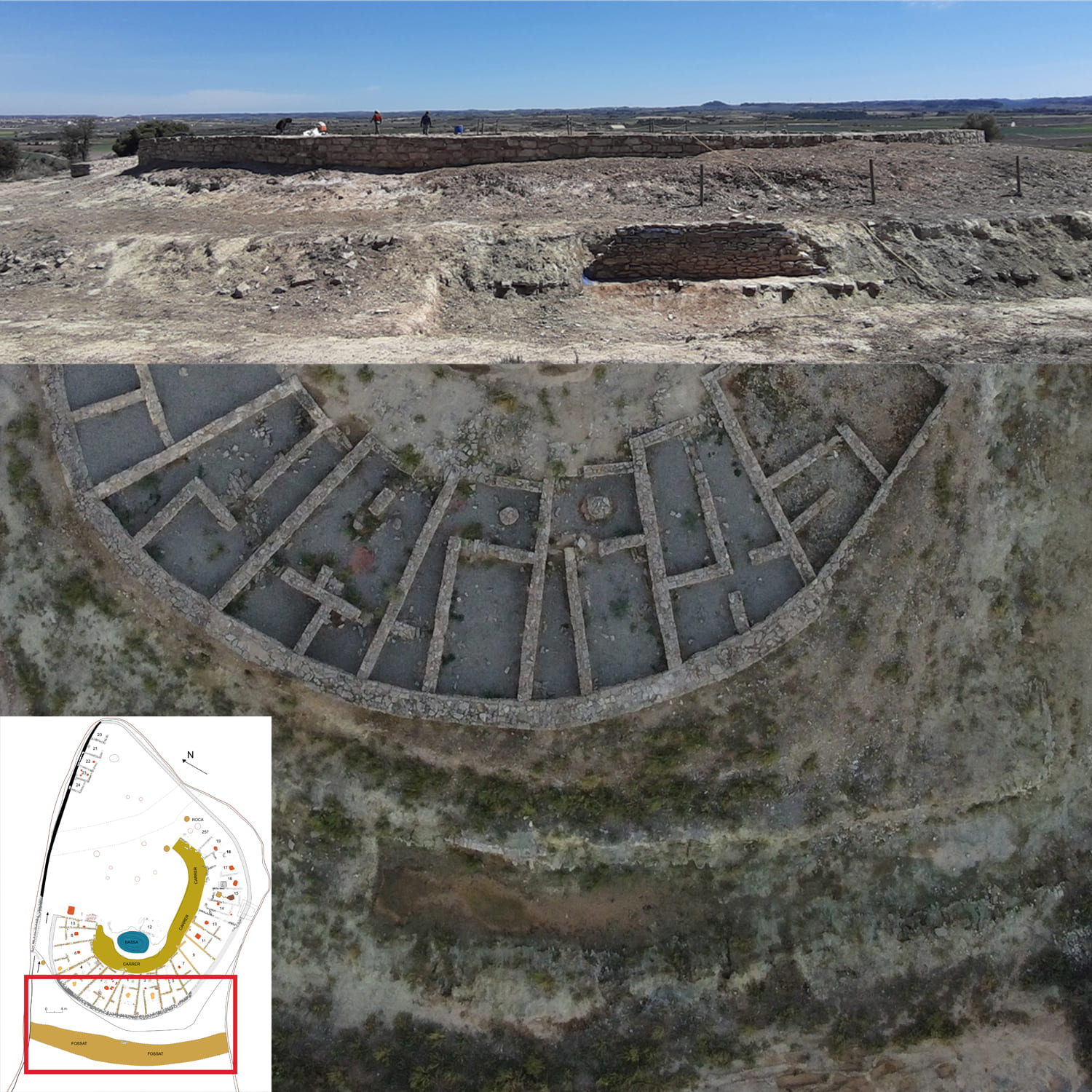
1. Ditch and Wall Area
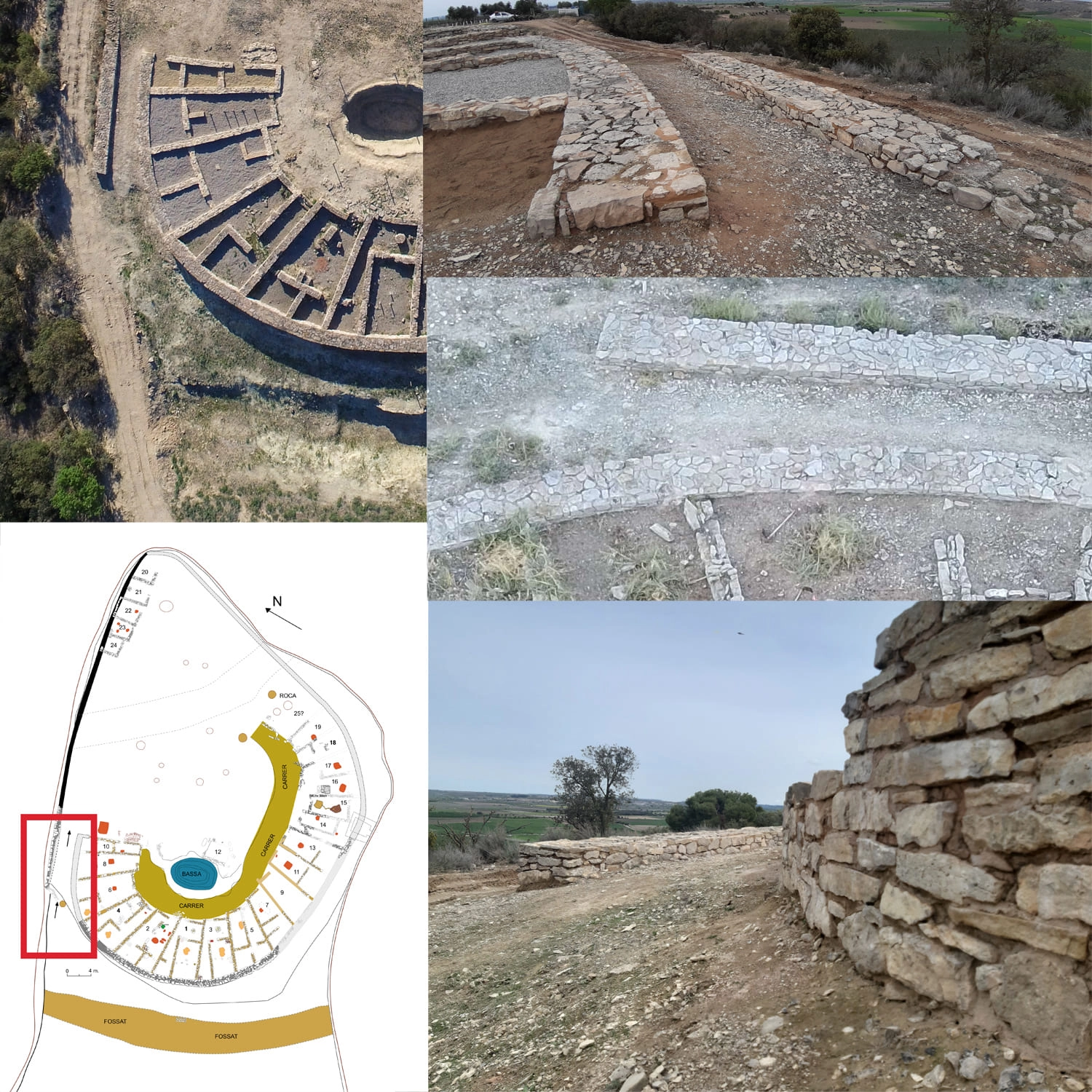
2. Settlement Entrance and Gate
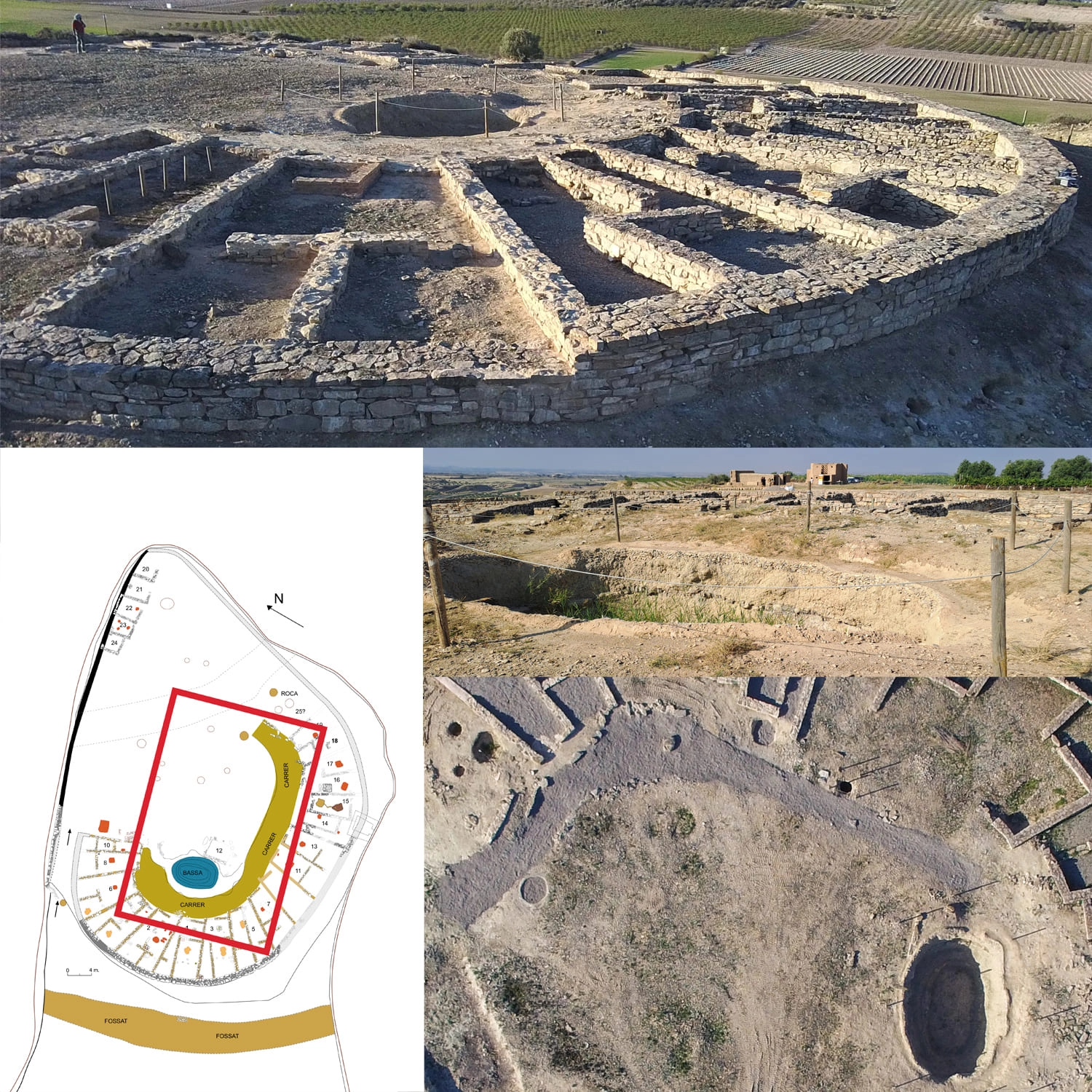
3. Circular Street and Basin
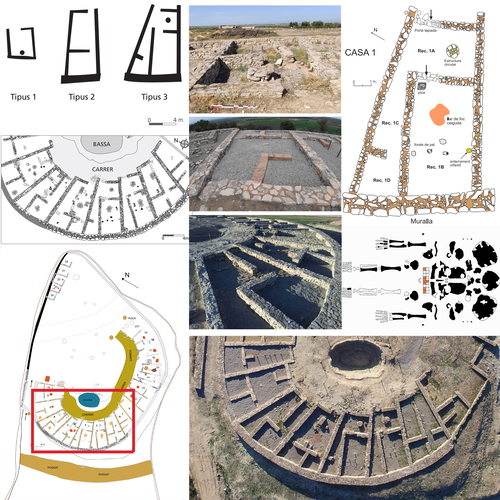
4. Complex Housing District
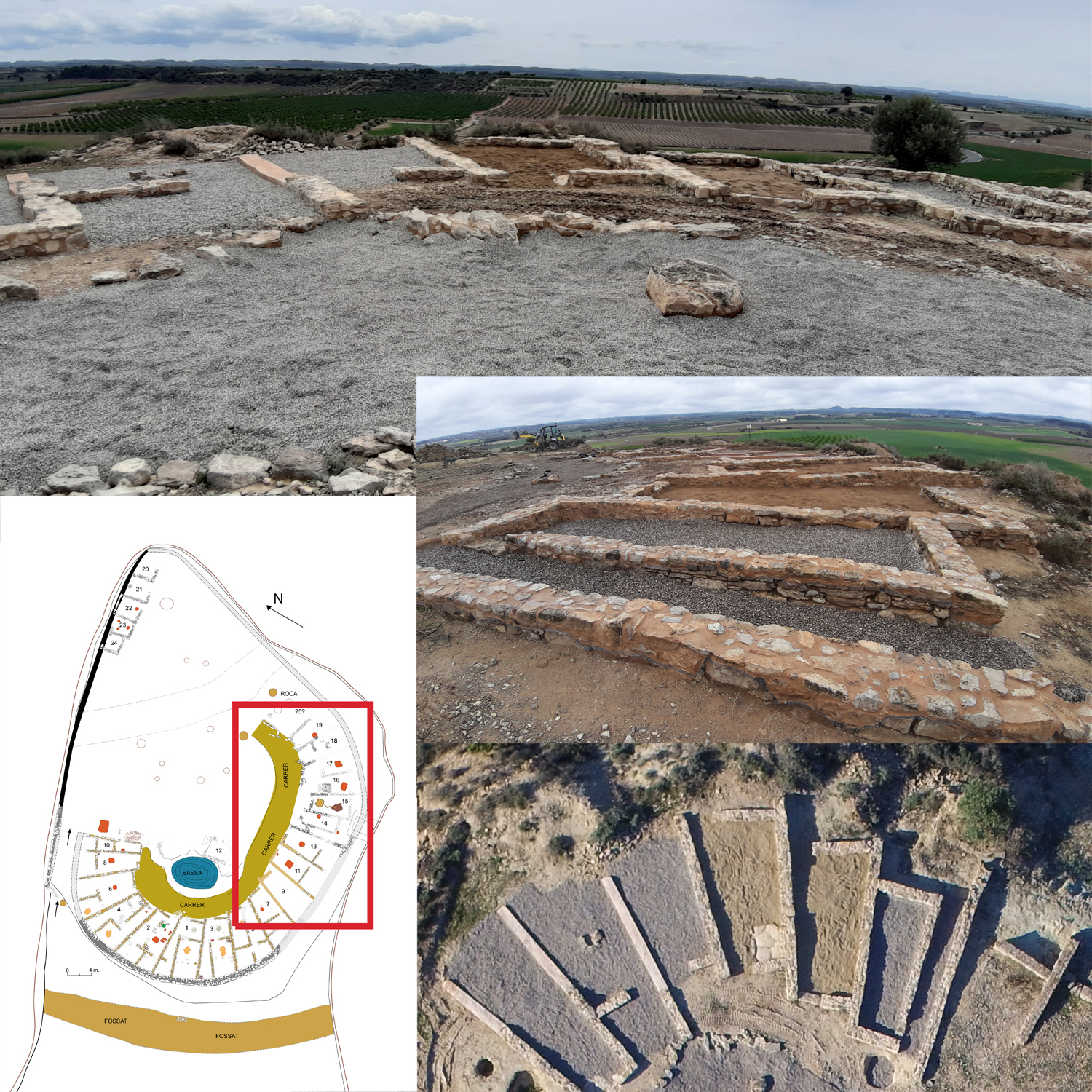
5. Simple Housing District
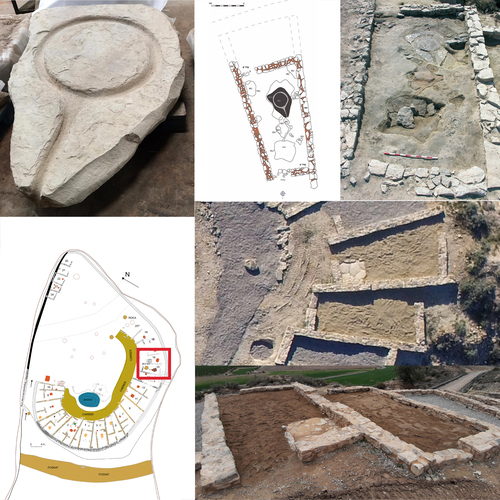
6. Pressing Workshop
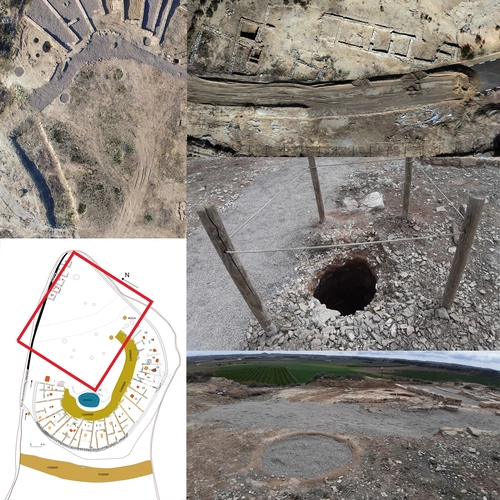
7. Open Area: Silos and Pits
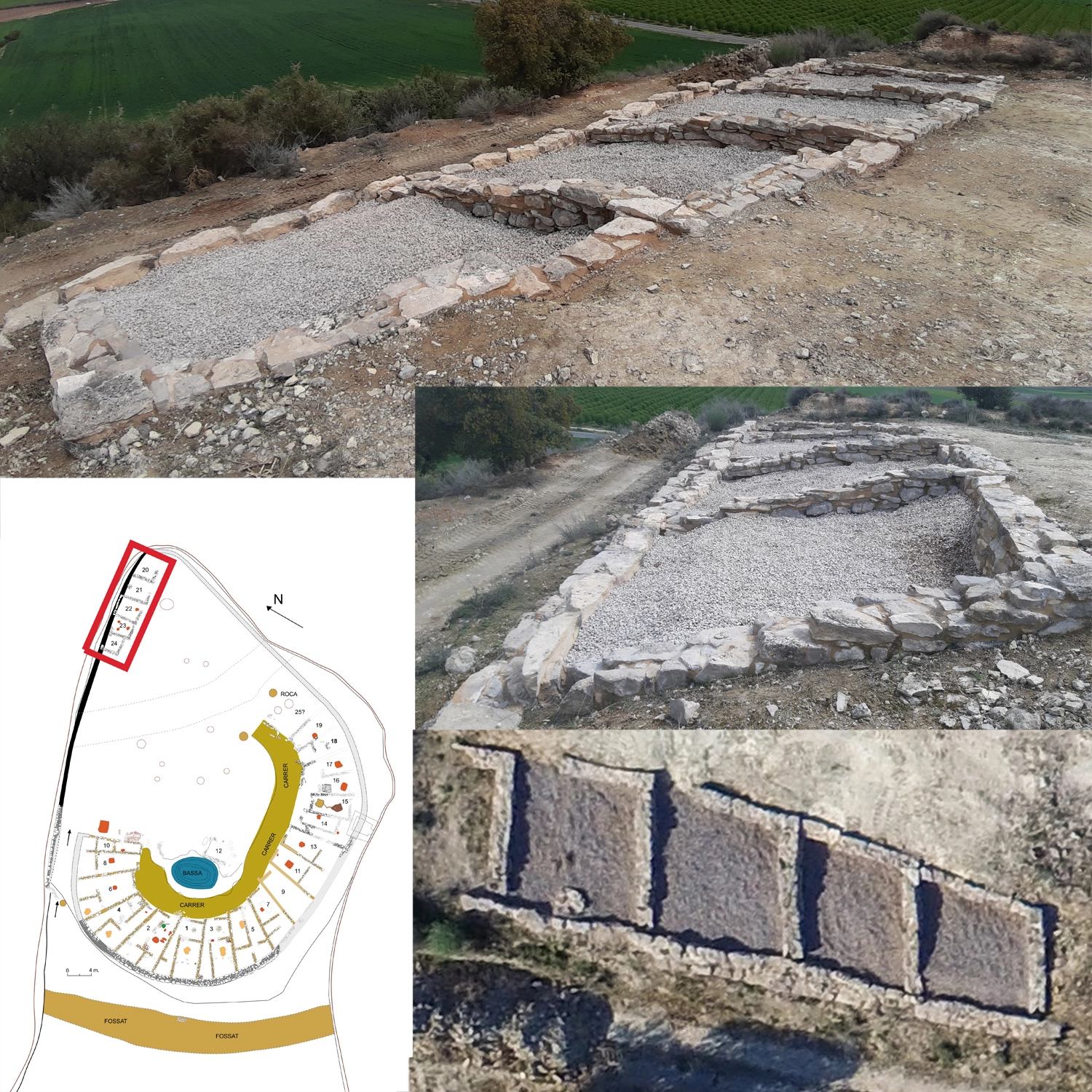
8. Tiny Housing District
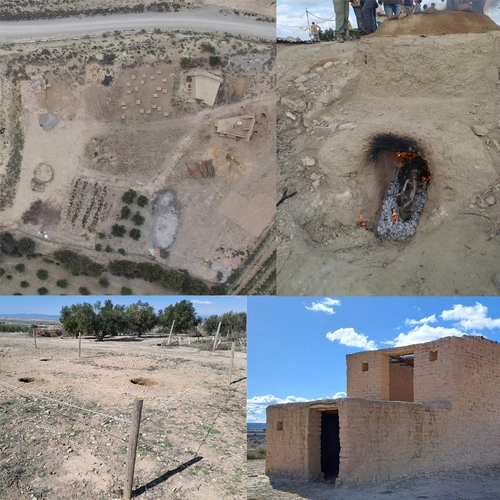
9. The Protohistory Experimental Field
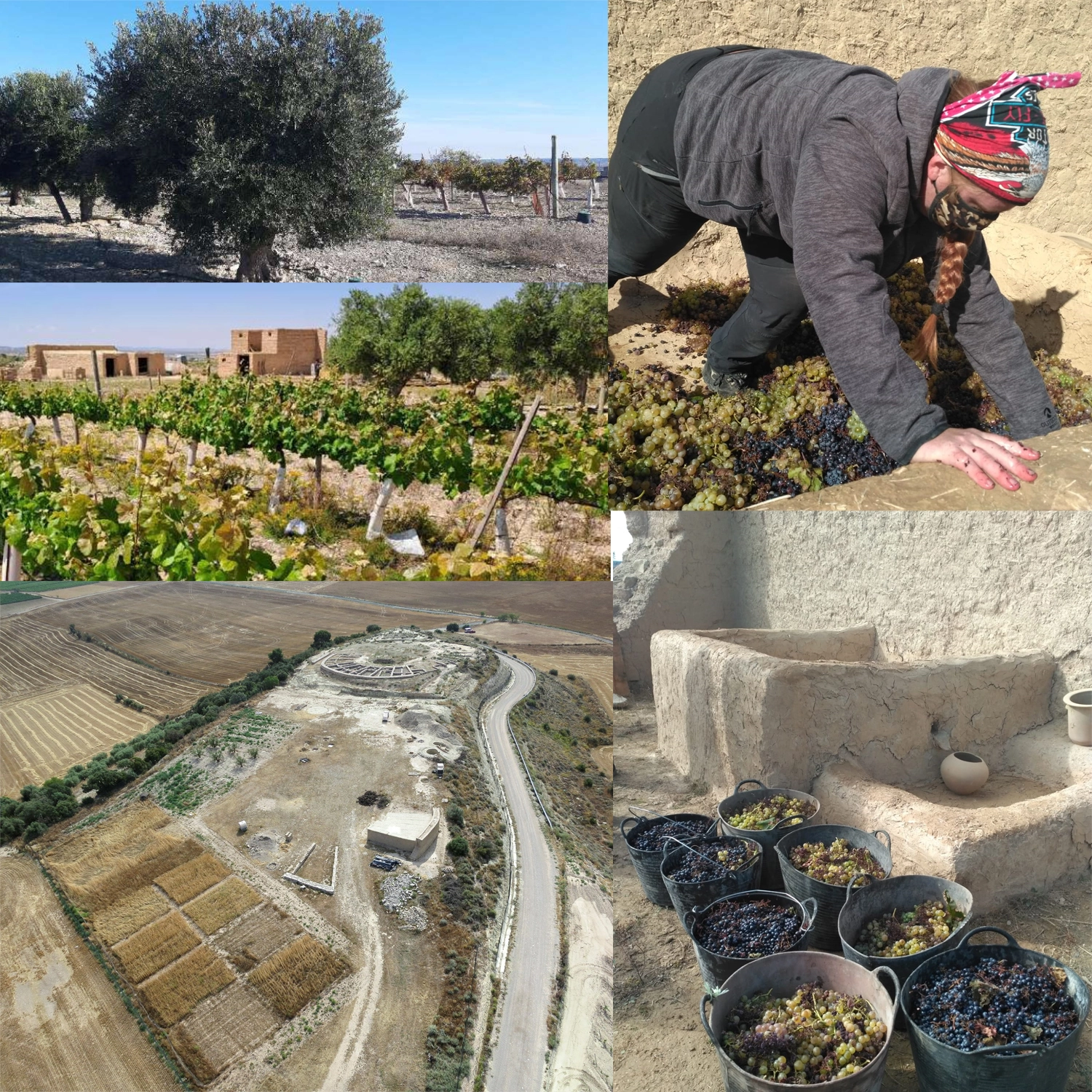
10. Agricultural Area
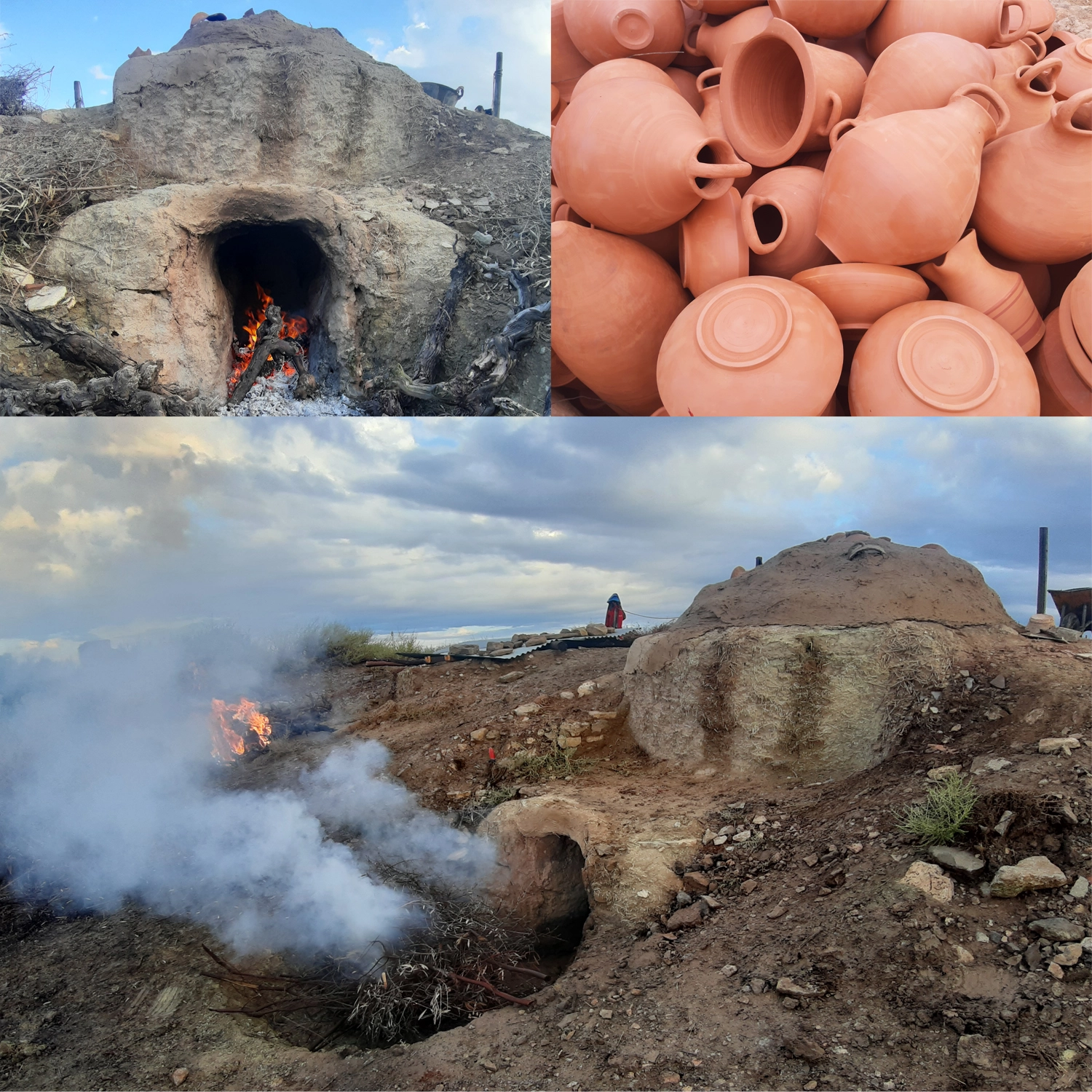
11. Craftsmanship Area